CDPRR

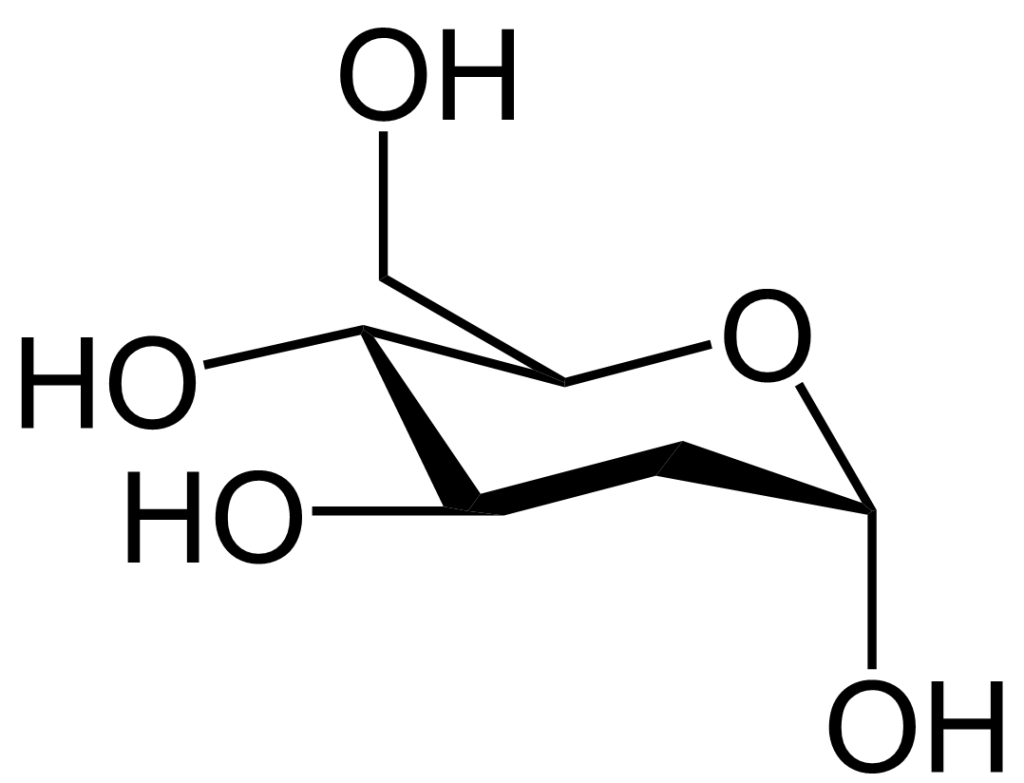
Chemical structure of 2-deoxy-D-glucose (2-DG)

Modulation of pentose phosphate pathway augments the efficacy of 2-deoxy-D-glucose in COVID-19 management

The use of 2-deoxy-D-glucose in COVID-19 came out of long-standing work on how cancer cells and virus-infected cells depend on glycolysis. This chapter asks whether modulating the pentose phosphate pathway alongside it would make the drug more effective. It was written by Simran Chopra, Ashrit Nair, Navneet Sharma, Viney Jain and Rakesh Kumar Sharma. How […]
Modulation of pentose phosphate pathway augments the efficacy of 2-deoxy-D-glucose in COVID-19 management Read More »

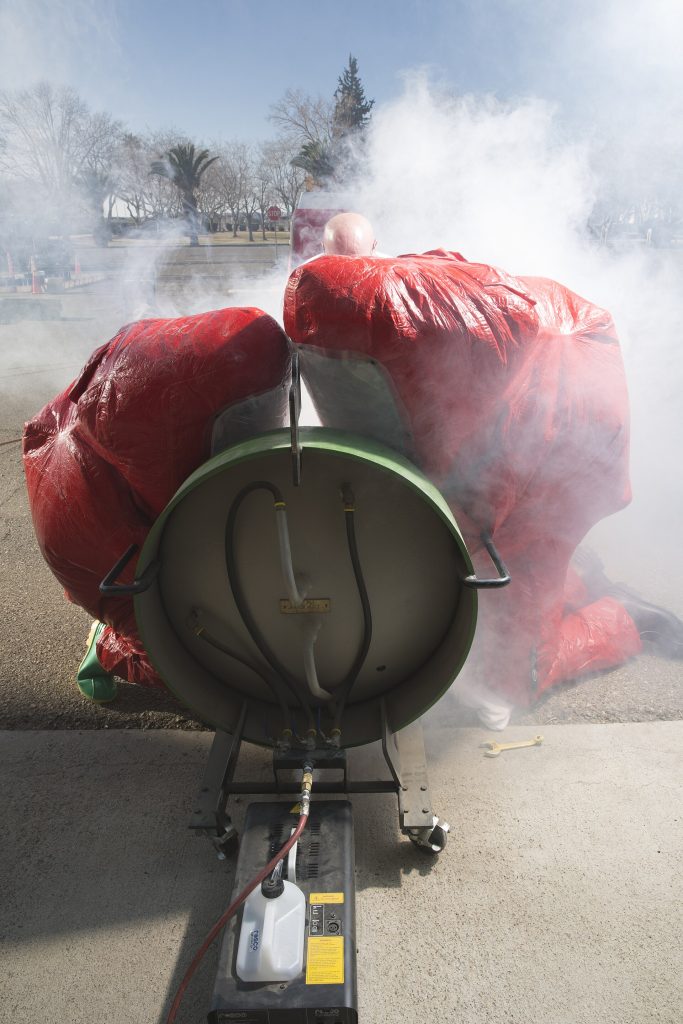
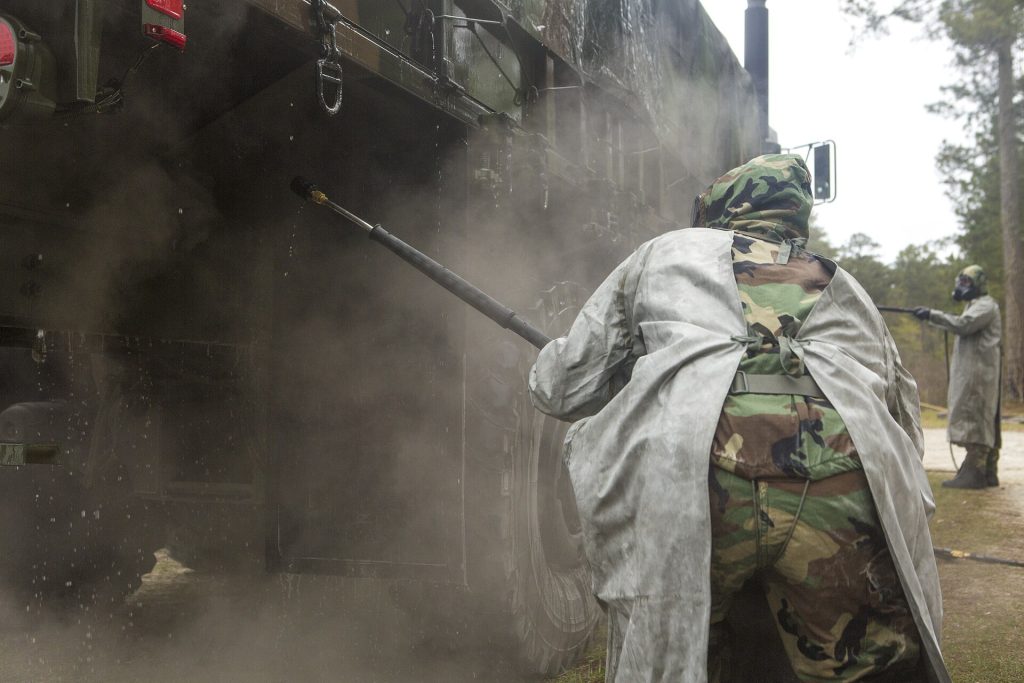
Responders spraying decontamination solution during a CBRN training exercise

Advanced Training Module: Innovative CBR Response Using Tech and Natural Methods (3–4 days)

The Advanced Training Module focuses on using advanced technology and natural methods in CBR (Chemical, Biological, Radiological) response, with an emphasis on handling Toxic Industrial Materials (TIMs) and Toxic Radiological Industrial Materials (TRIMs). This advanced CBR response training covers strategies, tools and methods for these hazards in 12 sessions, building on the intermediate CBRN training module.

Advanced Training Module: Innovative CBR Response Using Tech and Natural Methods (3–4 days) Read More »

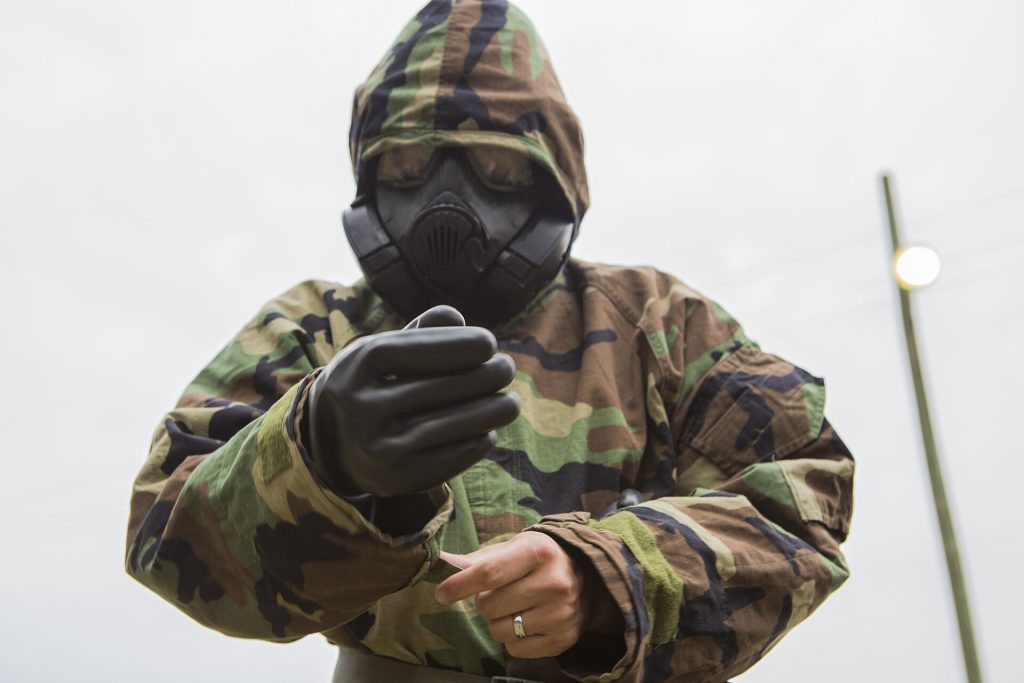
Responder fitting a protective mask during CBRN decontamination training

Intermediate Training Module: Enhanced CBRN Risk Reduction and Incident Management (3–4 days)

This intermediate CBRN training module builds on the basic training module and emphasises the historical, cultural, and social aspects of CBR disaster management, blending non-technical methods with modern technology for better preparedness. Session 1: Advanced hazard identification and assessment Objective: Strengthen skills in detecting and evaluating CBRN hazards. Technical Methods: Training with cutting-edge detection equipment (e.g.,

Intermediate Training Module: Enhanced CBRN Risk Reduction and Incident Management (3–4 days) Read More »

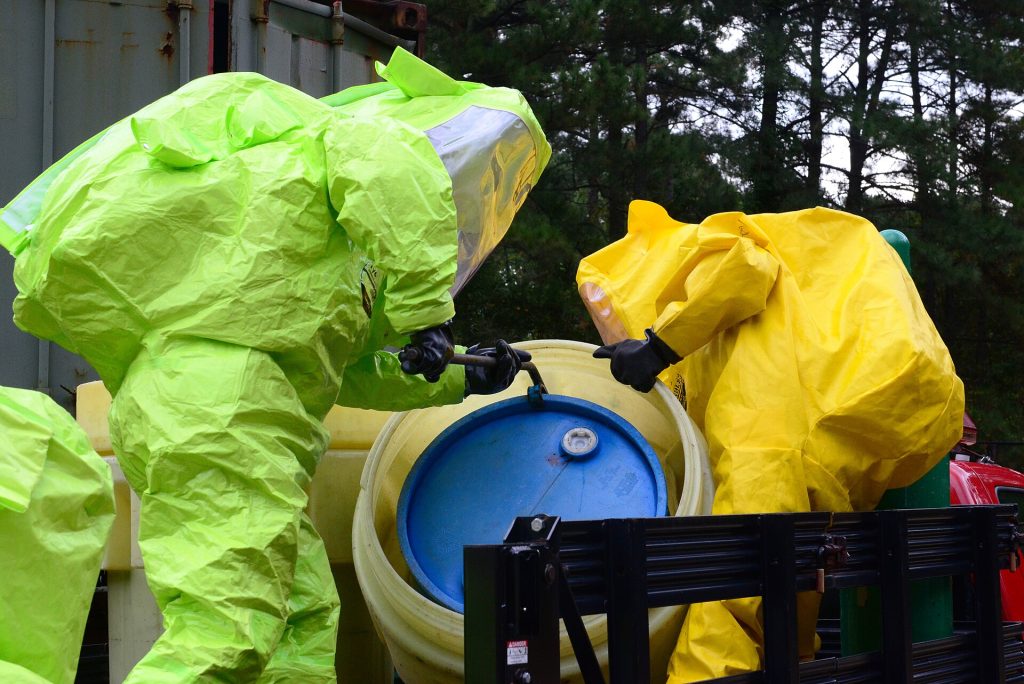
Firefighters putting on protective suits during a hazardous materials training exercise

Basic Training Module: Foundational CBRN Awareness and Response (3–4 days)

This basic CBRN training module focuses on natural, non-technological techniques for managing chemical, biological and radiological incidents. The sessions teach responders to use naturally available resources for neutralisation and containment. Session 1: Introduction to CBRN hazards Objective: Provide a fundamental understanding of CBRN agents and their effects. Technical Methods: Presentation on chemical (e.g., chlorine gas),

Basic Training Module: Foundational CBRN Awareness and Response (3–4 days) Read More »

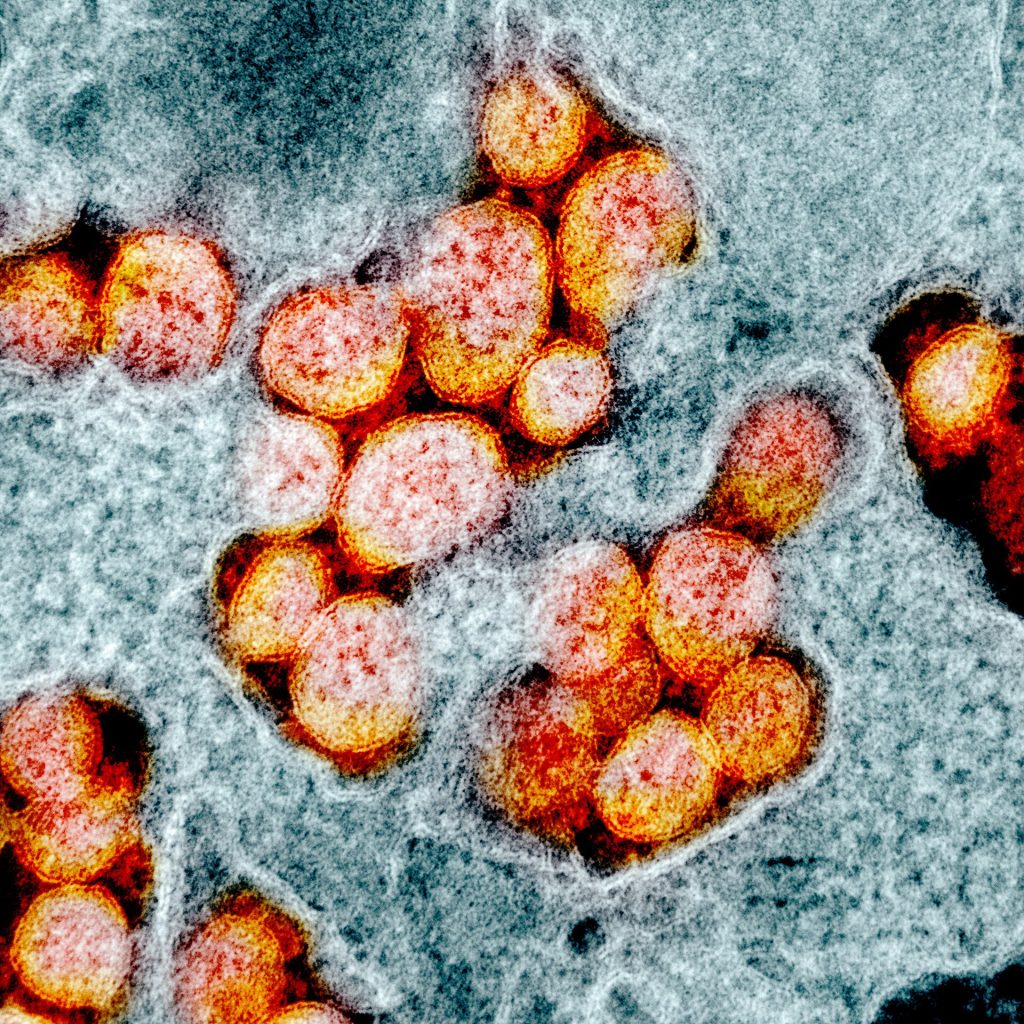
Electron micrograph of SARS-CoV-2 virus particles

Computational screening approaches for investigating potential activity of phytoligands against SARS-CoV-2

Screening phytoligands against SARS-CoV-2 was one of the first routes open to researchers in early 2020, when no specific medicine existed to prevent or treat COVID-19. This study used computational methods to test whether compounds of herbal origin could bind to the virus’s main drug targets. It was posted as a preprint in April 2020

Computational screening approaches for investigating potential activity of phytoligands against SARS-CoV-2 Read More »

Fire service team training for a hazardous materials release from a gas cylinder

Chlorine leak on Mumbai Port Trust’s Sewri yard: A case study

The Mumbai Port Trust chlorine leak of July 2010 remains one of India’s clearest examples of how an abandoned chemical store becomes a public health emergency. This case study, published in the Journal of Pharmacy and Bioallied Sciences by Rakesh Kumar Sharma, Raman Chawla and Surendra Kumar, examines what happened and what it revealed about

Chlorine leak on Mumbai Port Trust’s Sewri yard: A case study Read More »

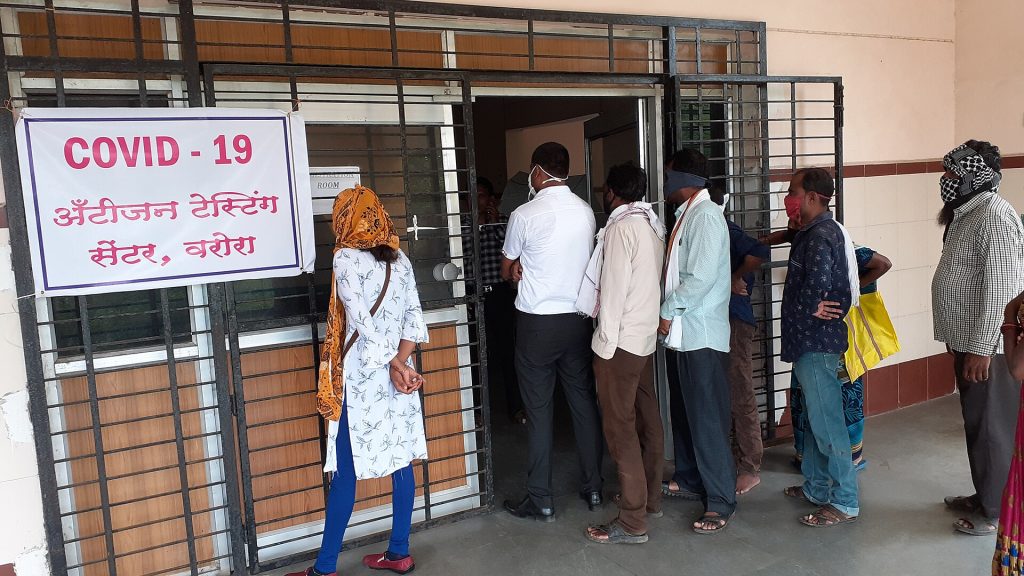
People queuing at a COVID-19 antigen testing centre in Maharashtra, India

Spatio‑temporal epidemiology and associated indicators of COVID‑19 (wave‑I and II) in India

The spatio-temporal epidemiology of COVID-19 in India was never uniform. Cases and deaths varied sharply between states, union territories and districts, and the reasons for that uneven spread were not obvious. This study mapped where the burden fell and which underlying indicators were associated with it. It was published in Scientific Reports in 2024 by

Spatio‑temporal epidemiology and associated indicators of COVID‑19 (wave‑I and II) in India Read More »

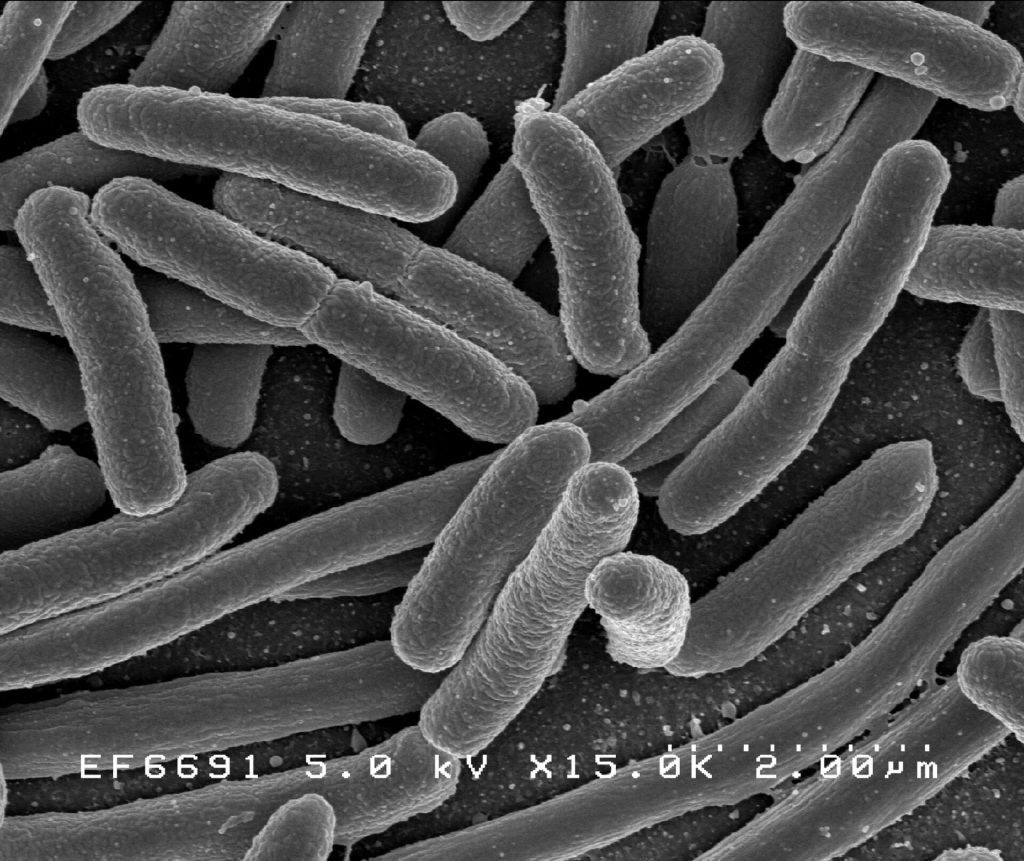
Electron micrograph of Escherichia coli bacteria

Science of the Total Environment: Development of magnetic nanoparticle assisted aptamer-quantum dot based biosensor for the detection of Escherichia coli in water samples

An E. coli biosensor that works on the spot would change how water quality is checked in the field. This study developed one: a portable, fluorescence-based device using magnetic nanoparticles and aptamer-linked quantum dots to detect Escherichia coli in water samples. It was published in Science of the Total Environment in 2022 by Chitvan Pandit,

Science of the Total Environment: Development of magnetic nanoparticle assisted aptamer-quantum dot based biosensor for the detection of Escherichia coli in water samples Read More »

Scroll to Top