
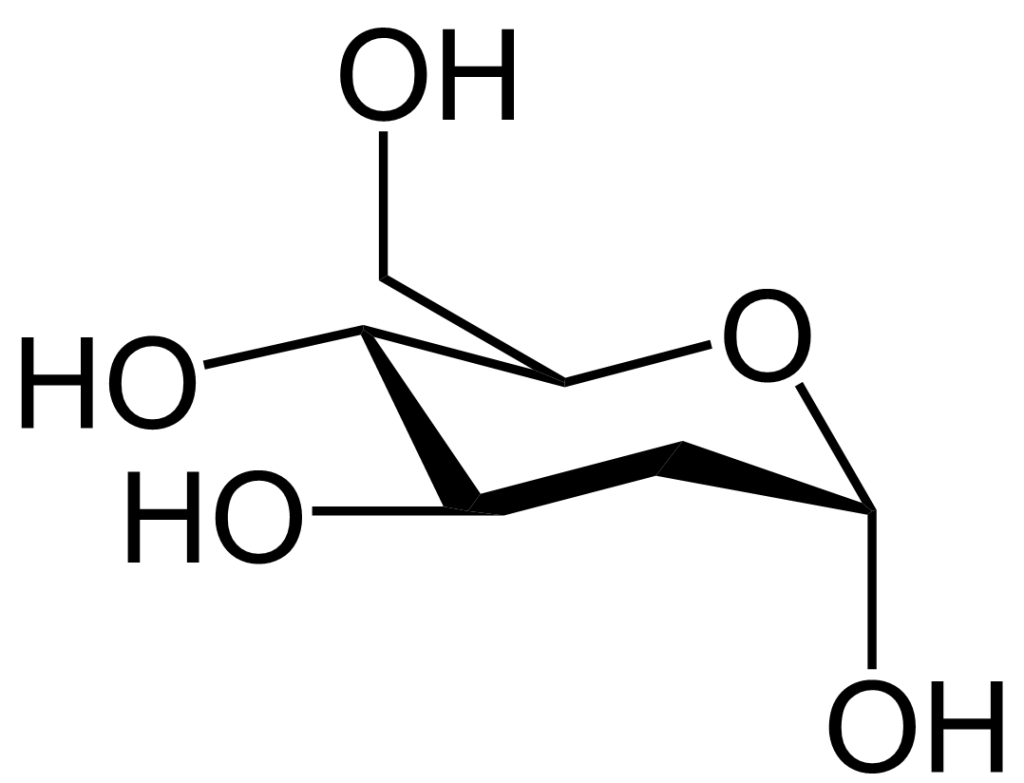
The use of 2-deoxy-D-glucose in COVID-19 came out of long-standing work on how cancer cells and virus-infected cells depend on glycolysis. This chapter asks whether modulating the pentose phosphate pathway alongside it would make the drug more effective.
It was written by Simran Chopra, Ashrit Nair, Navneet Sharma, Viney Jain and Rakesh Kumar Sharma.
How 2-deoxy-D-glucose came into COVID-19 treatment
On 8 May 2021 the Defence Research and Development Organisation announced that its anti-COVID-19 therapeutic application of 2-deoxy-D-glucose, known as 2-DG, had been approved by the Drug Controller General of India. The drug is taken orally and comes in powdered form.
Several groups had already pointed in this direction. Balakrishna and co-workers proposed the potential benefits of using 2-DG against COVID-19 based on a review of the literature and in silico studies covering ligand-receptor docking, drug-likeness, bioactivity indices and ADMETox values. Khurana and colleagues examined its possible use through a computational biology approach built on a drug-gene-gene-disease interaction network. Bhatt and co-workers agreed that the repurposed drug would be a promising, cost-effective adjuvant treatment.
What was already known about the drug
2-DG has been shown to promote cell death in cells exposed to ionising radiation, and it affects the DNA repair and recovery processes of cancer cells that have a higher rate of glycolysis. It inhibits the pentose phosphate pathway by reducing glycosylation, which in turn inhibits angiogenesis and increases cancer cell death. It can selectively kill tumour cells, improving the effect of radiotherapy under both oxygen-rich and oxygen-poor conditions.
The effect has been studied across a range of cancer cell models. In each, inhibition of DNA repair correlated with reduced glycolysis and lower ATP production.
The first human trial of 2-DG took place in 1974 at the All India Institute of Medical Sciences in New Delhi, in a thyroid patient given iodine-131 along with two oral doses of the drug. No side effects were seen and the tumour reduced markedly in size. A later trial applied it topically for genital herpes lesions in a double-blind placebo-controlled study in 36 women, with treatment continued for three weeks.
What the chapter concludes
2-DG received emergency use authorisation as an adjuvant alongside the standard of care. The authors suggest that additive effects could be achieved by combining it with 6-aminonicotinamide, or 6-AN. Their reasoning is that 6-AN could supplement the cell death induced by 2-DG, through its effect on glycolysis and potentially through the non-oxidative arm of the pentose phosphate pathway.
They are explicit that this remains a proposal. Further in vitro and in vivo studies are needed before the combined effect is properly understood.
Related research on this site includes computational screening of phytoligands against SARS-CoV-2 and the spatio-temporal epidemiology of COVID-19 in India.
The chapter is available at doi.org/10.1016/B978-0-323-95545-4.00001-3.
(Read the full chapter in PDF format)