Publications/Research Papers

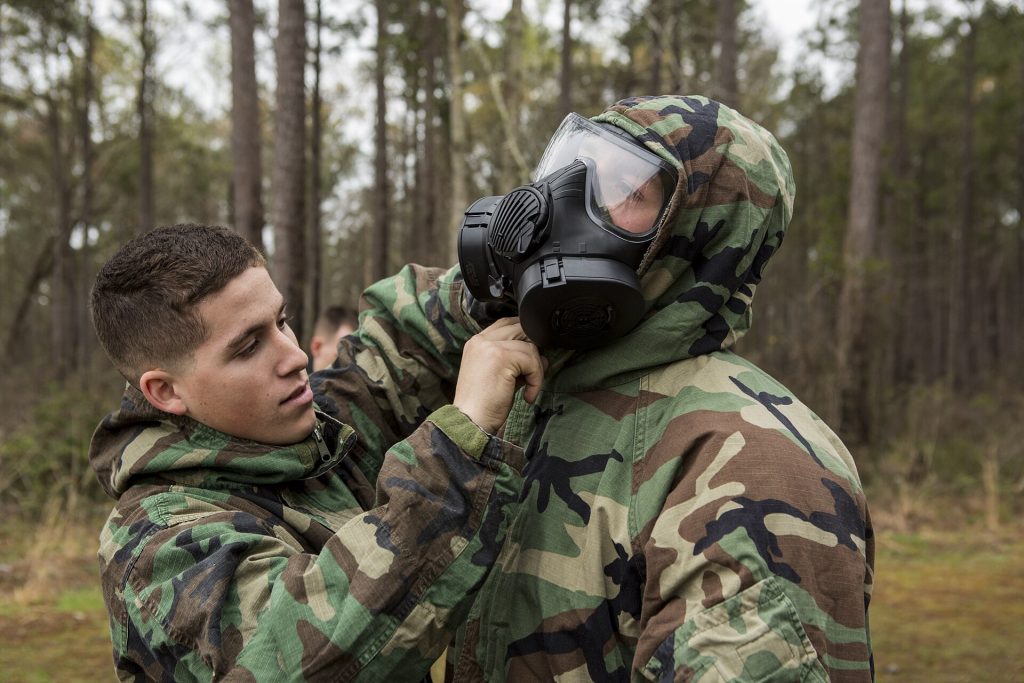
Emergency responders in protective equipment during a CBRN decontamination exercise

Preventing Chemical, Biological, Radiological and Nuclear Disaster

CBRN disaster prevention has become one of the harder problems in Indian disaster management. Events involving chemical, biological, radiological and nuclear materials damage life, property and the environment, and they undermine the foundations of sustainable development. The threats are also changing quickly, driven by rapid technological development and a shifting political climate. Preparing India to […]

Preventing Chemical, Biological, Radiological and Nuclear Disaster Read More »
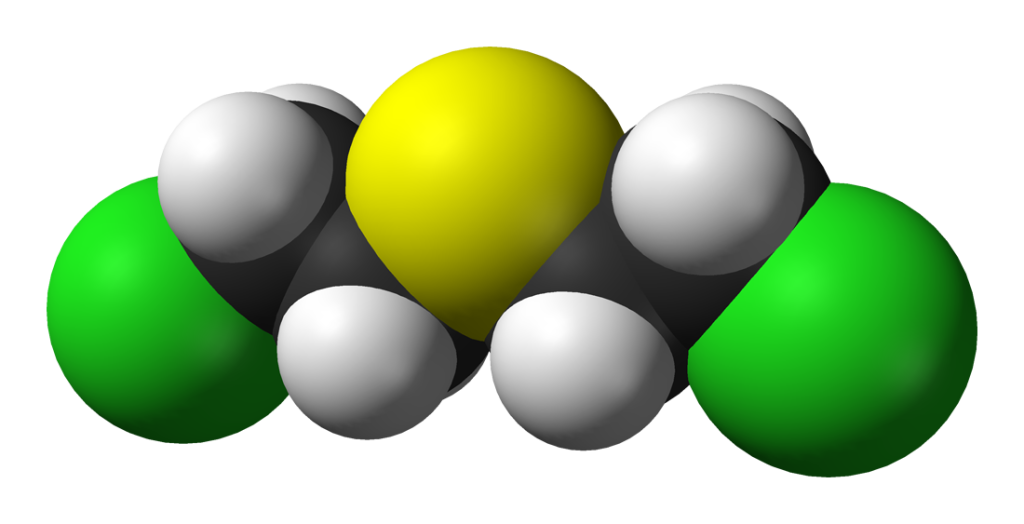
Molecular model of the sulphur mustard blister agent

Toxic blister agents: Chemistry, mode of their action and effective treatment strategies

Blister agents have posed a major threat to people since they were first used during the First World War, and have caused around two million casualties. Major incidents have come not only from their use as chemical warfare agents but also from occupational exposure. A clear understanding of these compounds and how they act on

Toxic blister agents: Chemistry, mode of their action and effective treatment strategies Read More »

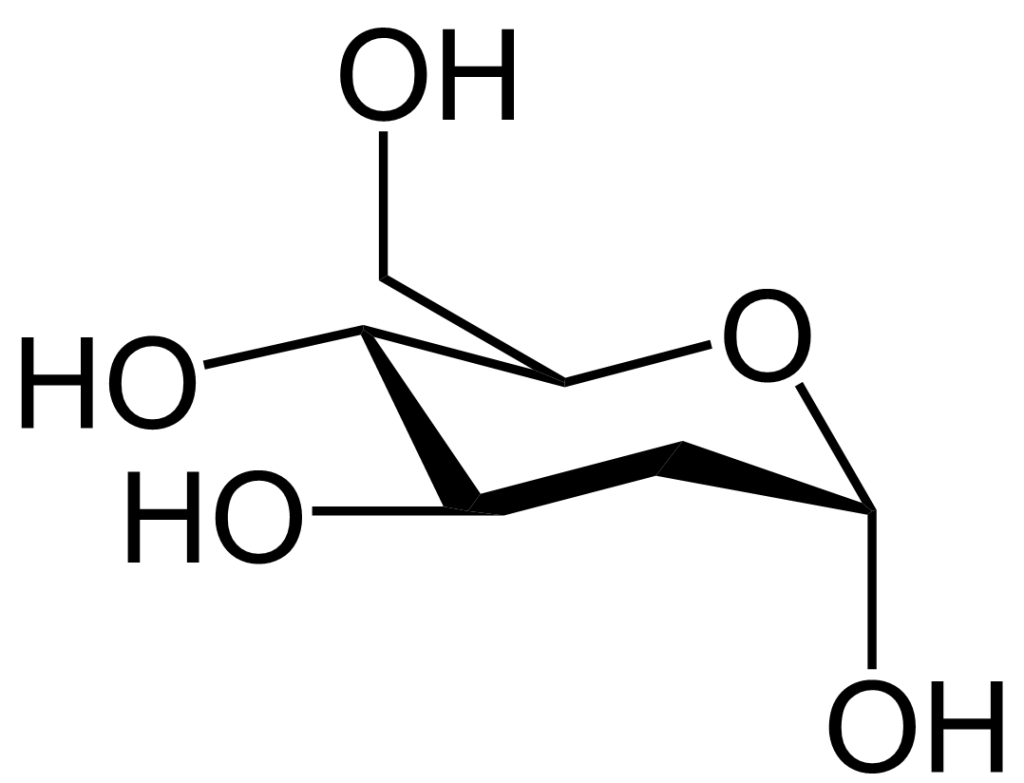
Chemical structure of 2-deoxy-D-glucose (2-DG)

Modulation of pentose phosphate pathway augments the efficacy of 2-deoxy-D-glucose in COVID-19 management

The use of 2-deoxy-D-glucose in COVID-19 came out of long-standing work on how cancer cells and virus-infected cells depend on glycolysis. This chapter asks whether modulating the pentose phosphate pathway alongside it would make the drug more effective. It was written by Simran Chopra, Ashrit Nair, Navneet Sharma, Viney Jain and Rakesh Kumar Sharma. How

Modulation of pentose phosphate pathway augments the efficacy of 2-deoxy-D-glucose in COVID-19 management Read More »

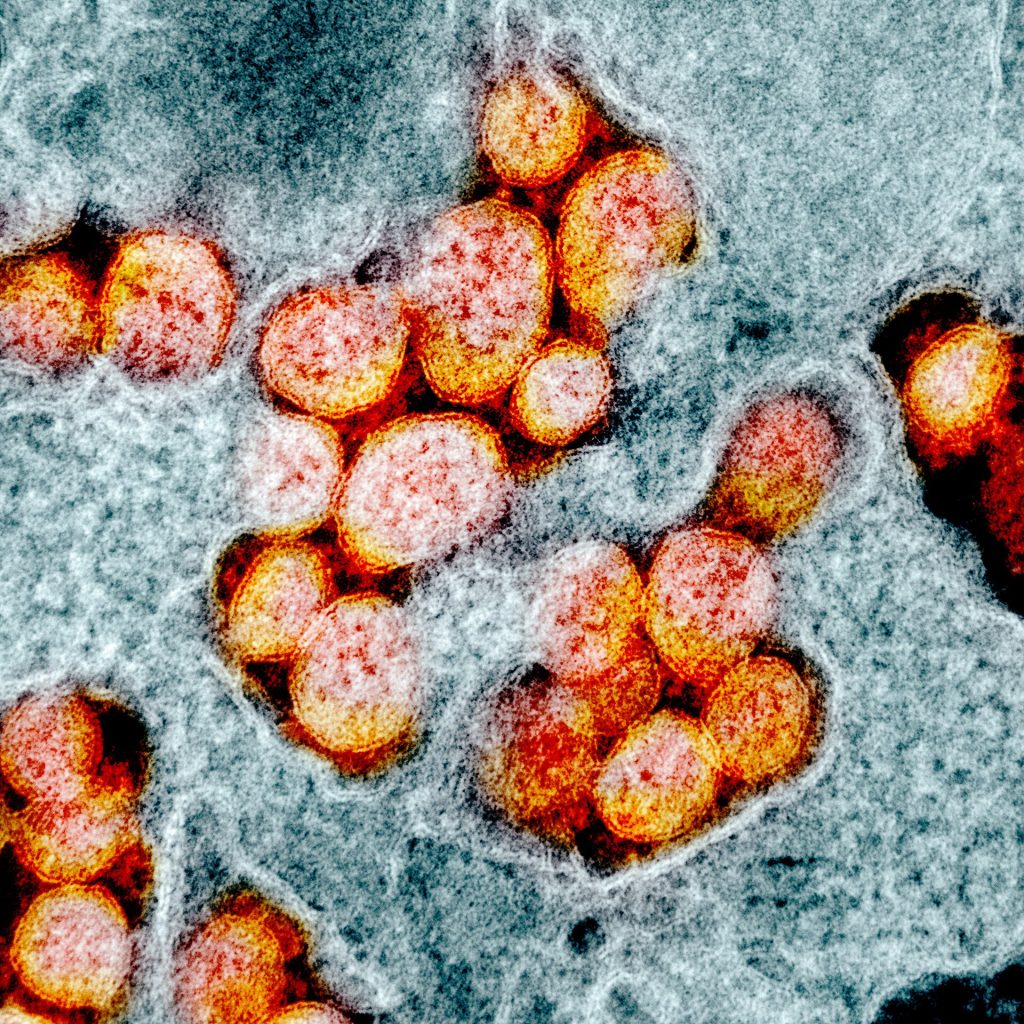
Electron micrograph of SARS-CoV-2 virus particles

Computational screening approaches for investigating potential activity of phytoligands against SARS-CoV-2

Screening phytoligands against SARS-CoV-2 was one of the first routes open to researchers in early 2020, when no specific medicine existed to prevent or treat COVID-19. This study used computational methods to test whether compounds of herbal origin could bind to the virus’s main drug targets. It was posted as a preprint in April 2020

Computational screening approaches for investigating potential activity of phytoligands against SARS-CoV-2 Read More »

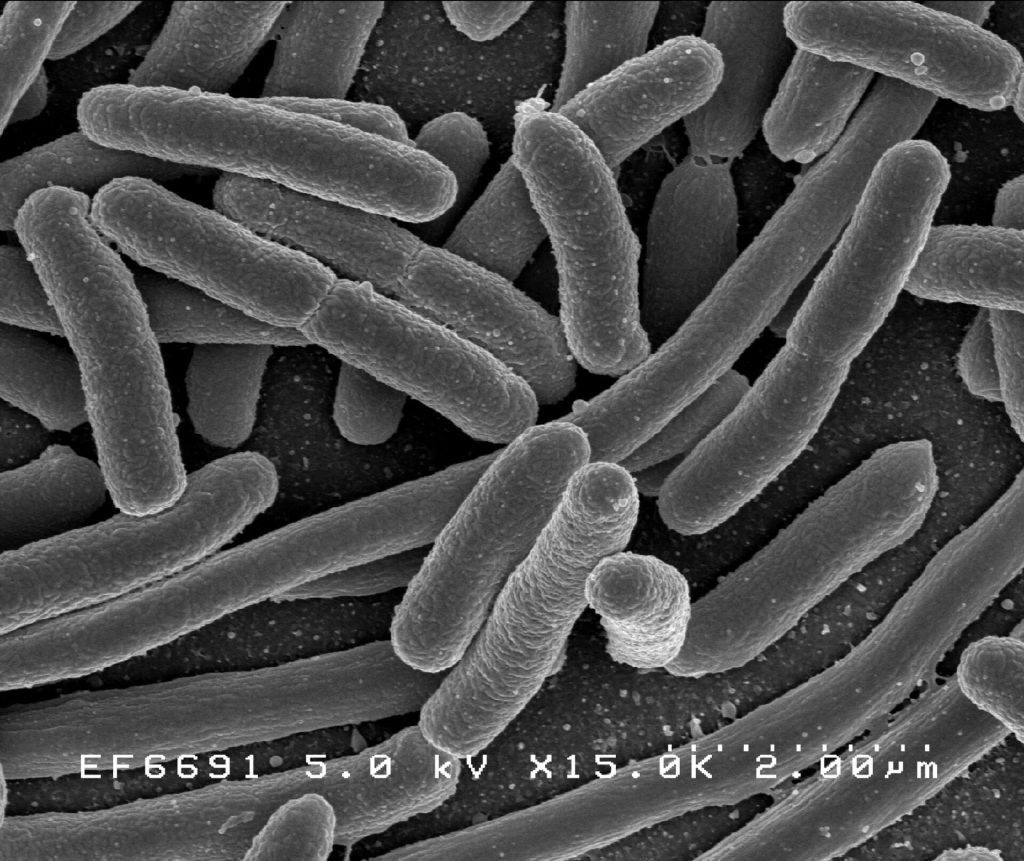
Electron micrograph of Escherichia coli bacteria

Science of the Total Environment: Development of magnetic nanoparticle assisted aptamer-quantum dot based biosensor for the detection of Escherichia coli in water samples

An E. coli biosensor that works on the spot would change how water quality is checked in the field. This study developed one: a portable, fluorescence-based device using magnetic nanoparticles and aptamer-linked quantum dots to detect Escherichia coli in water samples. It was published in Science of the Total Environment in 2022 by Chitvan Pandit,

Science of the Total Environment: Development of magnetic nanoparticle assisted aptamer-quantum dot based biosensor for the detection of Escherichia coli in water samples Read More »

Scroll to Top