
CDPRR

Nepal flash floods: A Himalayan disaster that demands a new approach to risk

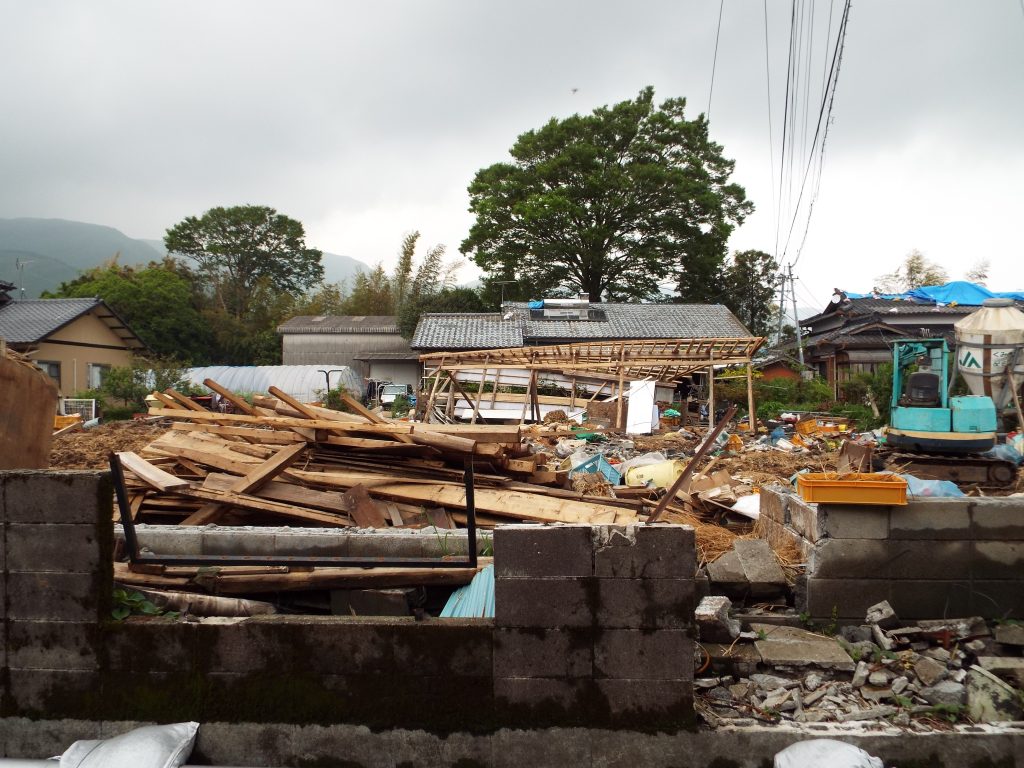
The catastrophic flash floods that struck the Nepal–Tibet border region on 26 August 2026 have once again exposed the growing danger of cascading disasters in the Himalayas. What began high in the mountains as a collapse of ice, rock and debris rapidly turned into a destructive surge that swept through narrow valleys, damaged settlements and […]

Nepal flash floods: A Himalayan disaster that demands a new approach to risk Read More »

Preventing Chemical, Biological, Radiological and Nuclear Disaster

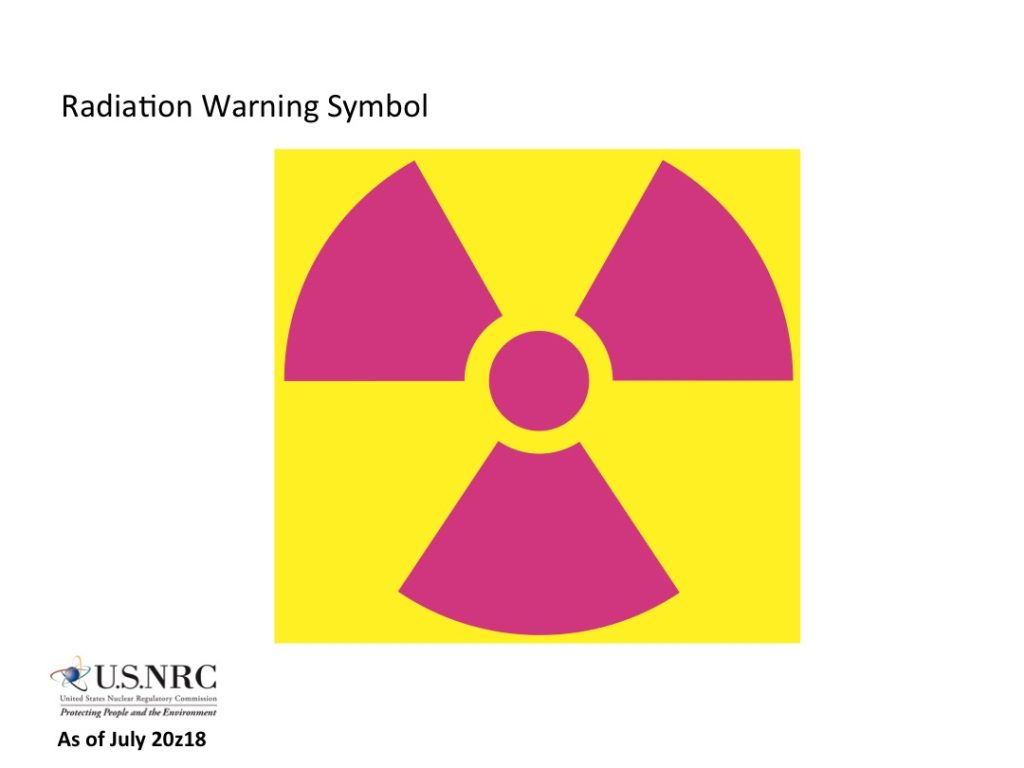
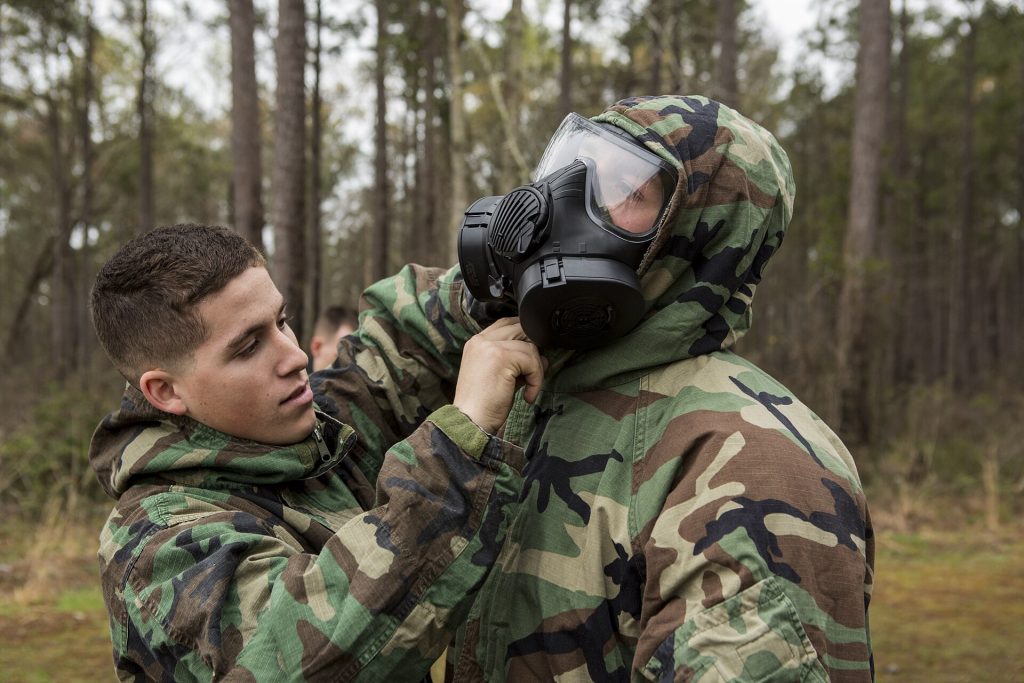
Disasters involving Chemical, Biological, Radiological, and Nuclear (CBRN) materials pose significant threats to life, property, and the environment, undermining humanity and sustainable development. These threats are evolving rapidly due to technological advancements and changing political dynamics. Preparing India to address CBRN threats is a daunting challenge, as anticipating such incidents and mitigating their devastating effects

Preventing Chemical, Biological, Radiological and Nuclear Disaster Read More »

Toxic blister agents: Chemistry, mode of their action and effective treatment strategies

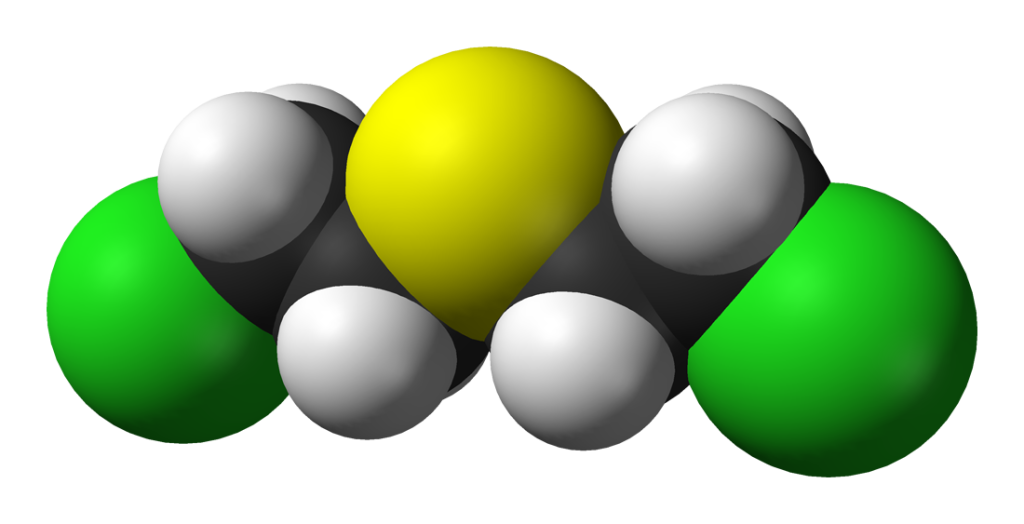
Since their use during the First World War, Blister agents have posed a major threat to the individuals and have  caused around two million casualties. Major incidents occurred not only due to their use as chemical warfare  agents but also because of occupational hazards. Therefore, a clear understanding of these agents and their mode  of

Toxic blister agents: Chemistry, mode of their action and effective treatment strategies Read More »

In silico modeling for identification of radio protectors of Phyto- and Phyco-origin based on their bioactivity properties

Upon exposure to ionizing radiation, living organisms may experience oxidative stress, which occurs when free radical generation surpasses the body’s natural defense mechanisms. This imbalance can lead to damage in biomacromolecules. Exogenous antioxidants have shown potential in combating such oxidative stress, particularly in cancer radiotherapy where it is crucial to protect non-cancerous tissues from the

In silico modeling for identification of radio protectors of Phyto- and Phyco-origin based on their bioactivity properties Read More »

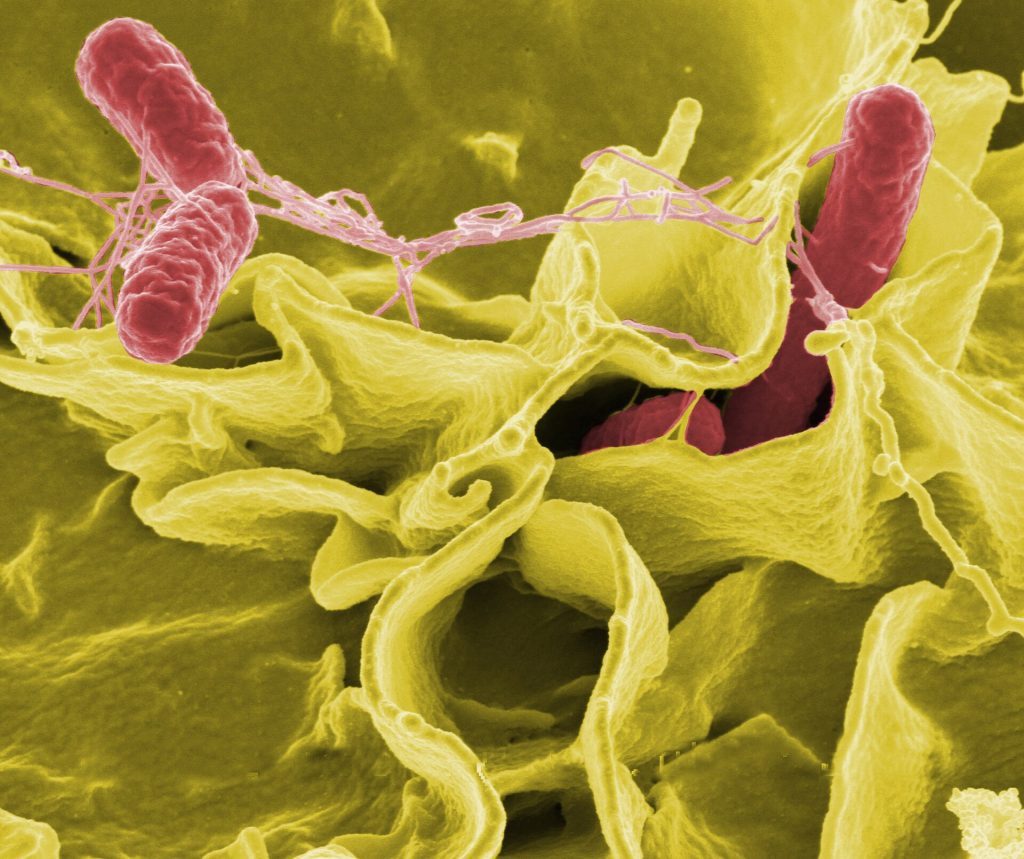
Targeting Antibiotic Resistant Salmonella enterica: Bio-matrix Based Selection and Bioactivity Prediction of Potential Nutraceuticals

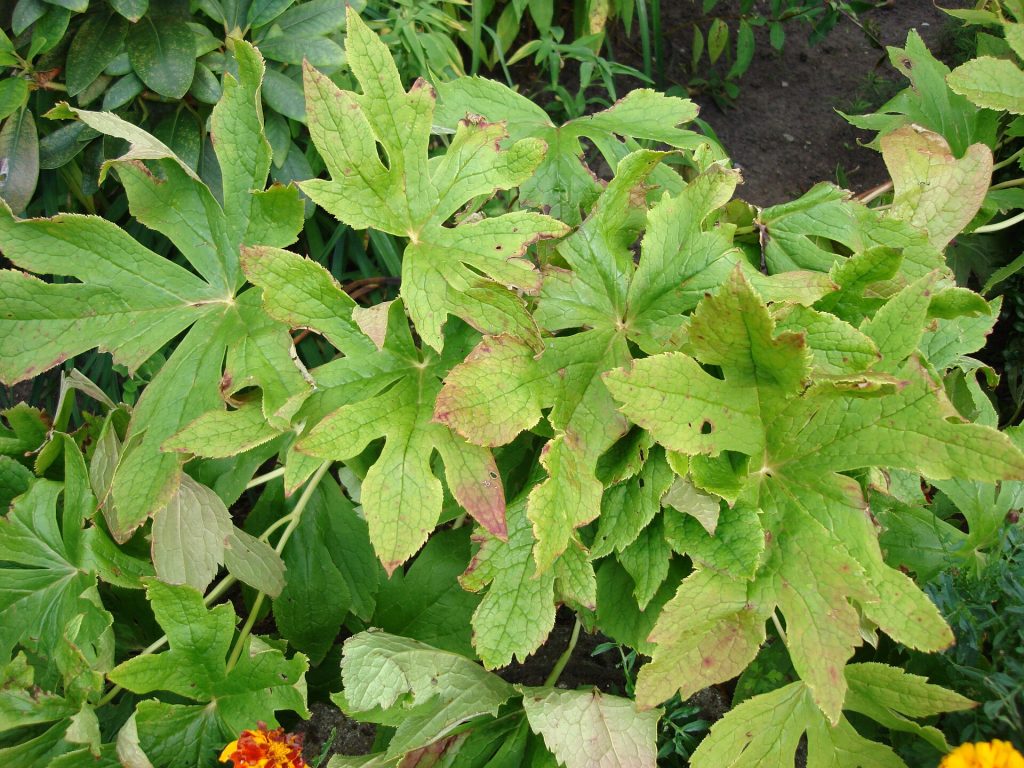
Natural Plant Products (NPPs) with medicinal potential, derived from either traditional or modern medicine, serves as a source of approx. 5000 compounds per species to fight against multifarious diseases. Such tremendous source of secondary plant metabolites employs to defend themselves against bacteria, fungi or viruses and can be used in almost the same way in

Targeting Antibiotic Resistant Salmonella enterica: Bio-matrix Based Selection and Bioactivity Prediction of Potential Nutraceuticals Read More »

Modulation of pentose phosphate pathway augments the efficacy of 2-deoxy-D-glucose in COVID-19 management

Scientists and clinicians around the world have been investigating various drug targets and potential therapeutics for COVID-19, the disease caused by SARS-CoV-2. On May 8, 2021, the Defence Research and Development Organisation (DRDO) announced that its anti-COVID-19 therapeutic application of the drug 2-deoxy-D-glucose (2-DG) had been approved by the Drug Controller General of India (DCGI).

Modulation of pentose phosphate pathway augments the efficacy of 2-deoxy-D-glucose in COVID-19 management Read More »

Scroll to Top