
Articles/Blogs

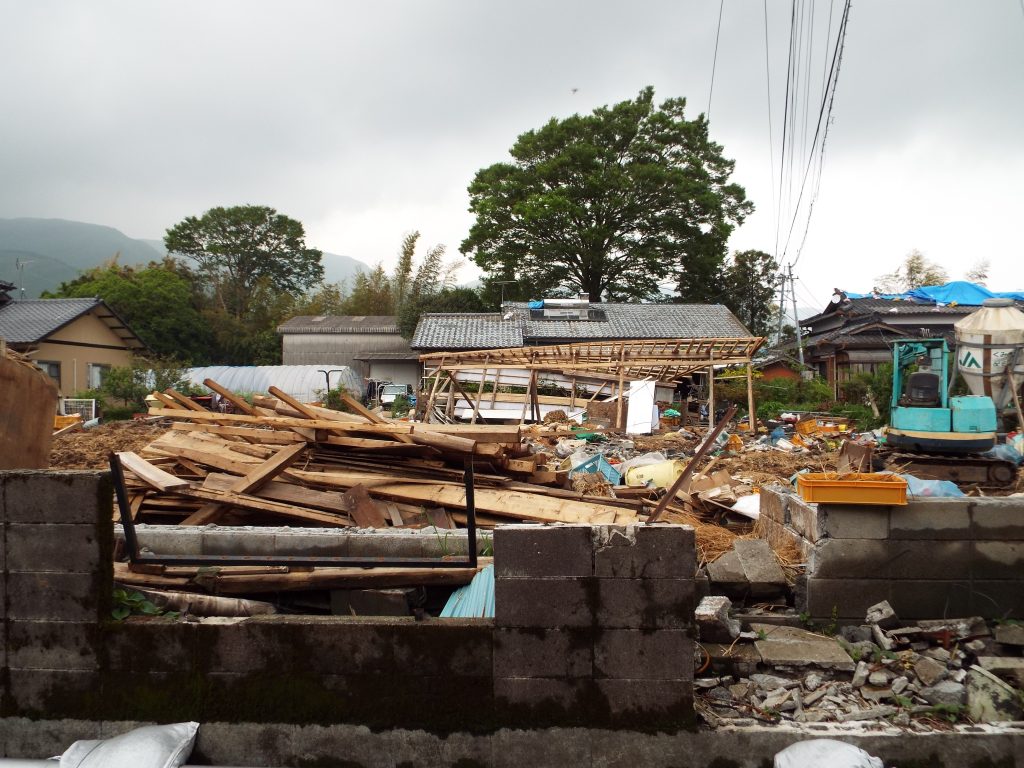
Nepal flash floods: A Himalayan disaster that demands a new approach to risk

The catastrophic flash floods that struck the Nepal–Tibet border region on 26 August 2026 have once again exposed the growing danger of cascading disasters in the Himalayas. What began high in the mountains as a collapse of ice, rock and debris rapidly turned into a destructive surge that swept through narrow valleys, damaged settlements and

Nepal flash floods: A Himalayan disaster that demands a new approach to risk Read More »

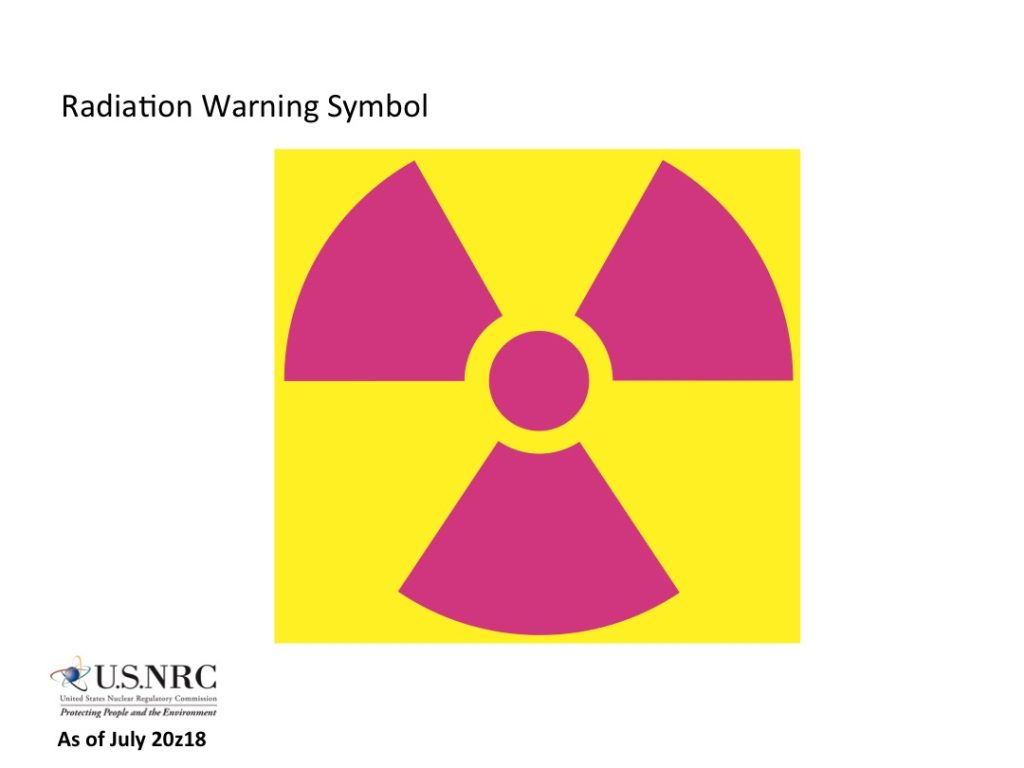
Podophyllum hexandrum, a Himalayan plant studied for radioprotective compounds

In silico modeling for identification of radio protectors of Phyto- and Phyco-origin based on their bioactivity properties

Natural radioprotectors are compounds from plants and algae that may protect healthy tissue against the damage caused by ionising radiation. This study used in silico modelling to identify promising candidates of phyto- and phyco-origin, based on their bioactivity properties. It was published in the Bulletin of Environment, Pharmacology and Life Sciences in November 2022 by

In silico modeling for identification of radio protectors of Phyto- and Phyco-origin based on their bioactivity properties Read More »

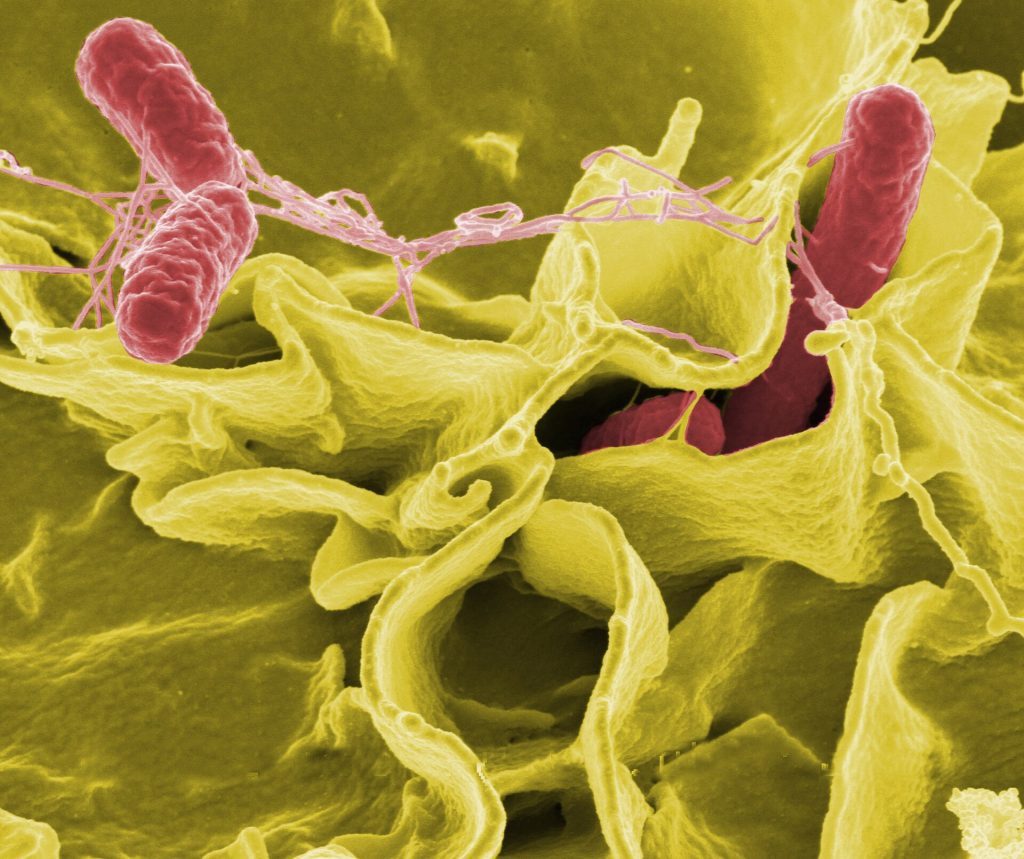
Electron micrograph of Salmonella Typhimurium bacteria

Targeting Antibiotic Resistant Salmonella enterica: Bio-matrix Based Selection and Bioactivity Prediction of Potential Nutraceuticals

Antibiotic-resistant Salmonella is now one of the harder problems in infectious disease, because the treatment options are shrinking while the organism spreads more widely. This study used a bio-matrix based selection method to identify plant products that might work against it, and then predicted their bioactivity computationally. It was published in Biochemistry & Analytical Biochemistry

Targeting Antibiotic Resistant Salmonella enterica: Bio-matrix Based Selection and Bioactivity Prediction of Potential Nutraceuticals Read More »

Scroll to Top