CDPRR

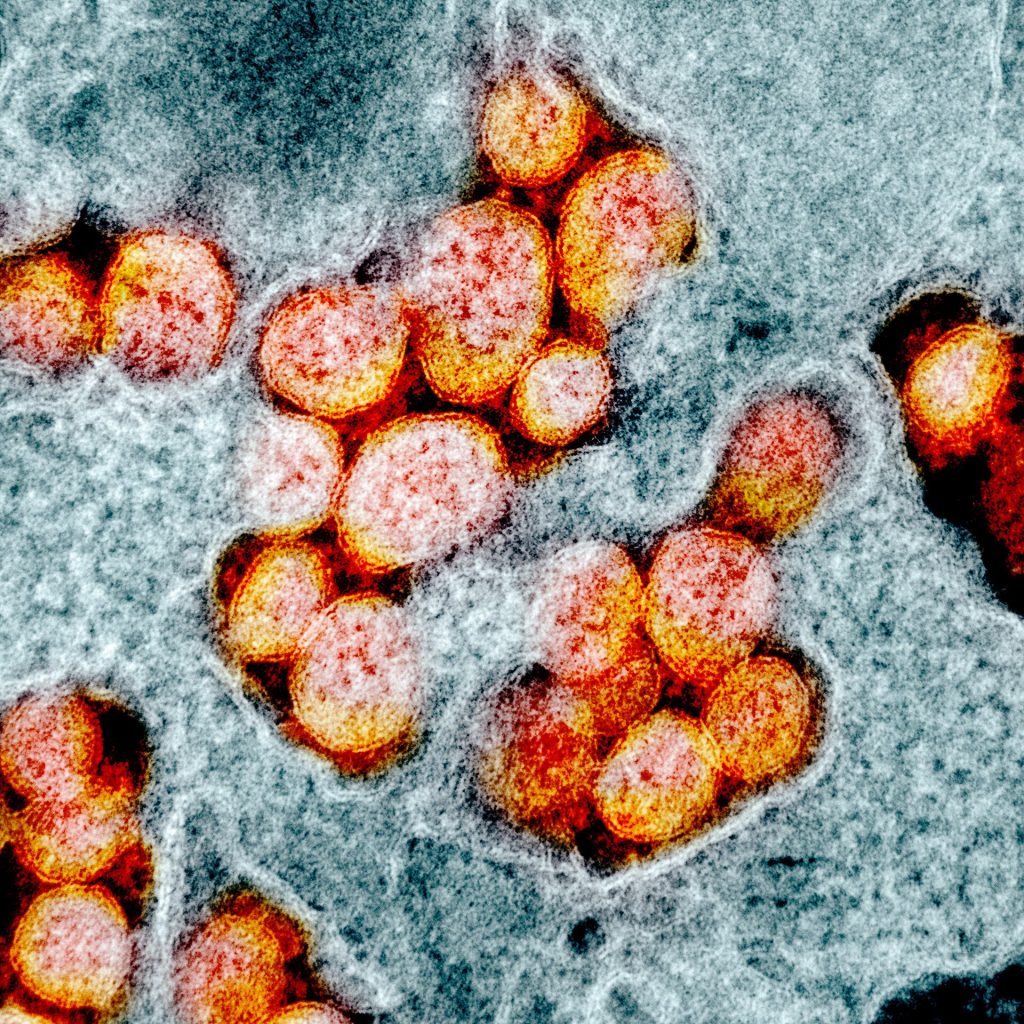
Electron micrograph of SARS-CoV-2 virus particles

Computational screening approaches for investigating potential activity of phytoligands against SARS-CoV-2

Screening phytoligands against SARS-CoV-2 was one of the first routes open to researchers in early 2020, when no specific medicine existed to prevent or treat COVID-19. This study used computational methods to test whether compounds of herbal origin could bind to the virus’s main drug targets. It was posted as a preprint in April 2020

Computational screening approaches for investigating potential activity of phytoligands against SARS-CoV-2 Read More »

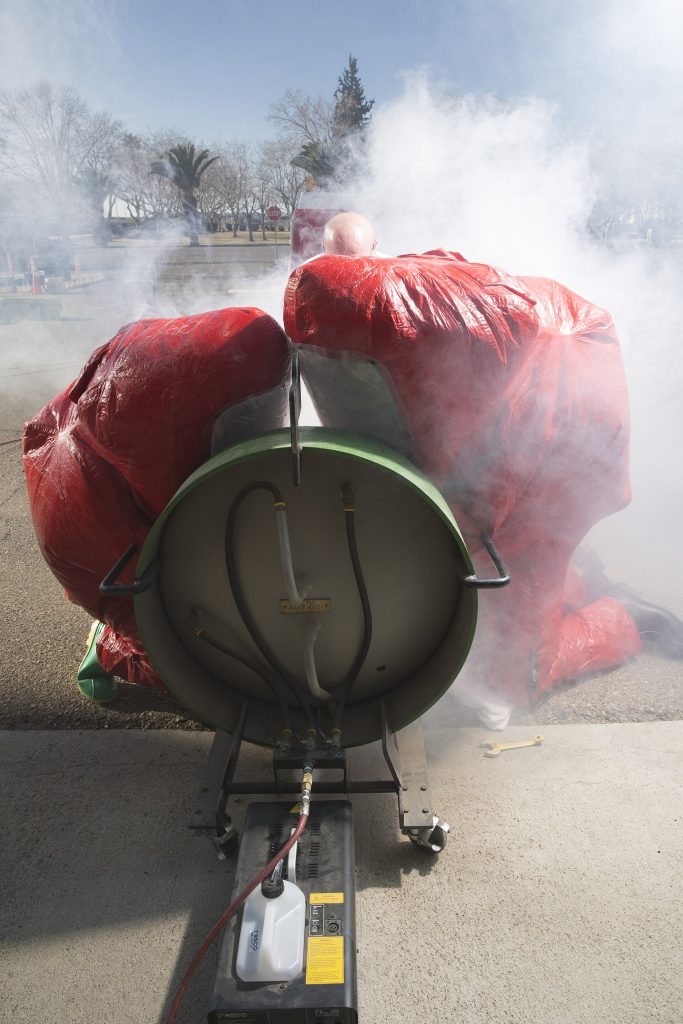
Fire service team training for a hazardous materials release from a gas cylinder

Chlorine leak on Mumbai Port Trust’s Sewri yard: A case study

The Mumbai Port Trust chlorine leak of July 2010 remains one of India’s clearest examples of how an abandoned chemical store becomes a public health emergency. This case study, published in the Journal of Pharmacy and Bioallied Sciences by Rakesh Kumar Sharma, Raman Chawla and Surendra Kumar, examines what happened and what it revealed about

Chlorine leak on Mumbai Port Trust’s Sewri yard: A case study Read More »

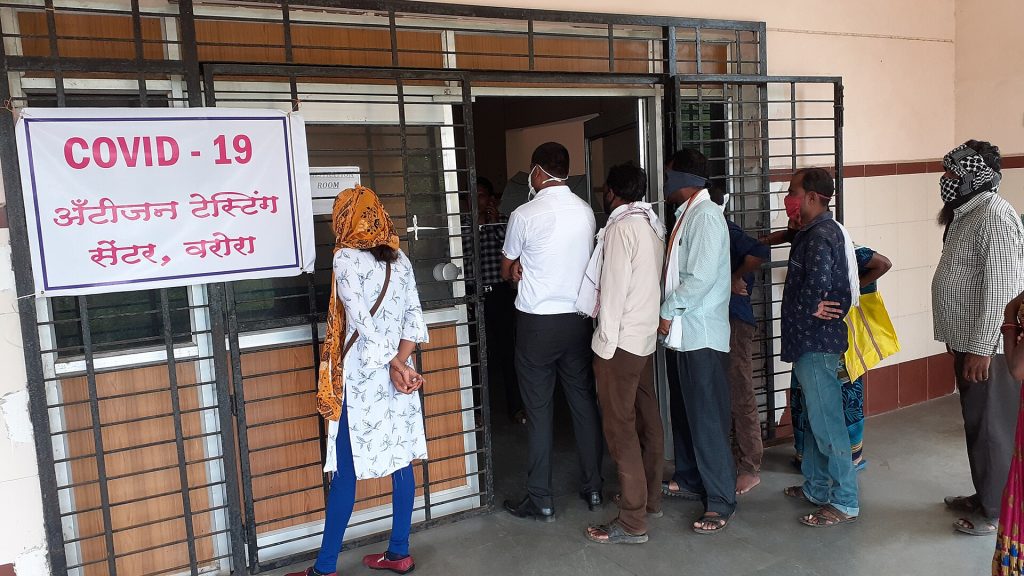
People queuing at a COVID-19 antigen testing centre in Maharashtra, India

Spatio‑temporal epidemiology and associated indicators of COVID‑19 (wave‑I and II) in India

The spatio-temporal epidemiology of COVID-19 in India was never uniform. Cases and deaths varied sharply between states, union territories and districts, and the reasons for that uneven spread were not obvious. This study mapped where the burden fell and which underlying indicators were associated with it. It was published in Scientific Reports in 2024 by

Spatio‑temporal epidemiology and associated indicators of COVID‑19 (wave‑I and II) in India Read More »

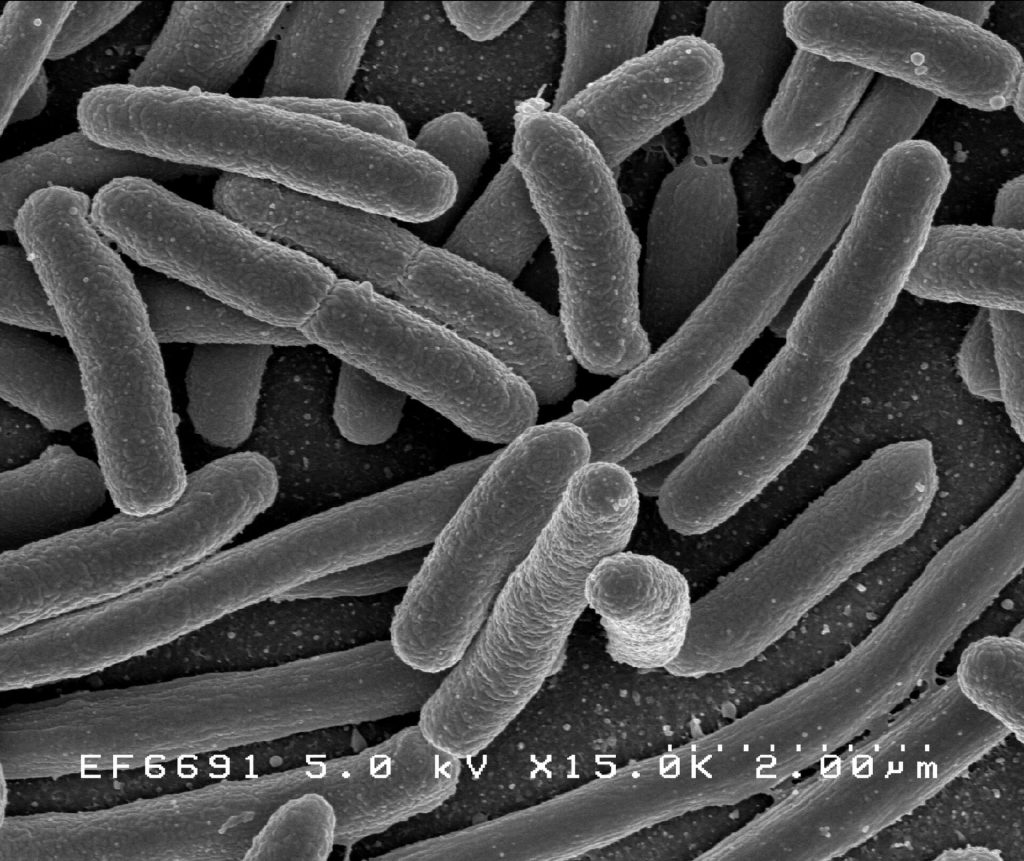
Electron micrograph of Escherichia coli bacteria

Science of the Total Environment: Development of magnetic nanoparticle assisted aptamer-quantum dot based biosensor for the detection of Escherichia coli in water samples

An E. coli biosensor that works on the spot would change how water quality is checked in the field. This study developed one: a portable, fluorescence-based device using magnetic nanoparticles and aptamer-linked quantum dots to detect Escherichia coli in water samples. It was published in Science of the Total Environment in 2022 by Chitvan Pandit,

Science of the Total Environment: Development of magnetic nanoparticle assisted aptamer-quantum dot based biosensor for the detection of Escherichia coli in water samples Read More »

Panel members releasing a publication at the Conference on Disaster Resilience 2024

Conference on Disaster Resilience 2024: Uniting Disaster Mitigation Stakeholders

Conference on Disaster Resilience: Uniting Disaster Mitigation Stakeholders The Conference on Disaster Resilience 2024 was held on 15 February 2024 under the theme Uniting Disaster Mitigation Stakeholders. It was hosted with The Energy and Resources Institute (TERI), with Resqore as co-organiser, and included the release of a conference publication. Uniting disaster mitigation stakeholders The premise

Conference on Disaster Resilience 2024: Uniting Disaster Mitigation Stakeholders Read More »

Scroll to Top