
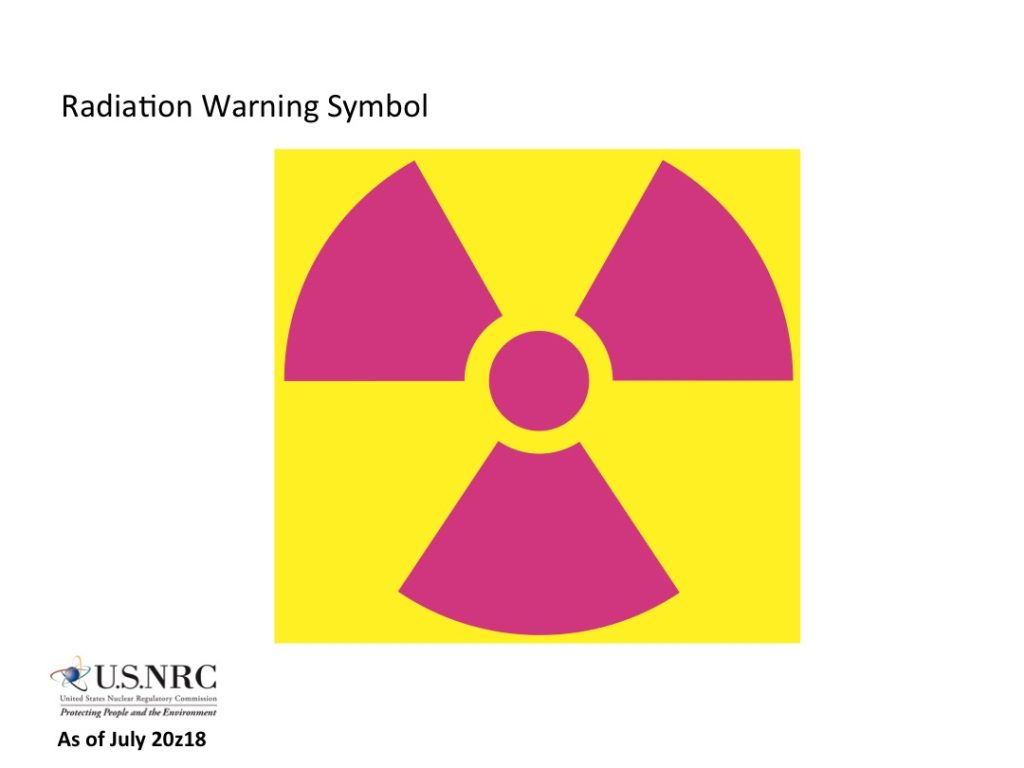
Radiological terrorism is the deliberate use of radioactive material to kill, injure, contaminate and above all to frighten. Delhi has already seen how much damage a single unsecured source can do. An “orphan” device holding a radioactive component was sold to a kabari, or junk dealer, and ended up in the scrap market at Mayapuri. Everyone who handled it suffered radioactive burns and radiation sickness, and it took days to clear the contamination from a crowded commercial district.
The world faces a persistent threat from terrorists whose purpose is to intimidate military and paramilitary forces, or undefended civilian targets, by causing death, injury, disease and disability. Groups seeking mass destruction may move from conventional explosives to an industrial chemical, a military chemical or biological agent, a ‘dirty’ bomb, or in the worst case a nuclear weapon.
Why radiological terrorism is different
An attack involving toxic radioactive materials differs from one using conventional or improvised explosives because it presents specific health hazards within a very short period. The likely purpose is to create panic and hysteria, to kill or incapacitate, to damage critical infrastructure, to contaminate people and property, and to pollute the environment. Radioactive material may enter the body through the mouth, the nose and intact or broken skin, so exposure can be both external and internal, including from radioactive shrapnel.
The health effects do not end when the emergency does. Beyond acute illness, such events carry long-term psychosocial consequences for the affected population.
Orphan sources and radiological terrorism
Some radioactive sources lack adequate regulatory control, accountability and proper disposal. They remain a radiological hazard but sit outside the regulatory system because they were never registered, or because they have been abandoned, lost, misplaced, stolen or transferred without paperwork. Such sources are described as “orphan” when their identifying marks have been removed or damaged, and they can cause multiple serious injuries when someone who finds them does not realise what they are.
There are roughly 100,000 orphaned radioactive sources worldwide, and more than a thousand of them are strong enough to cause harm. According to an International Atomic Energy Agency report, there were nearly 300 attempted smuggling incidents involving radioactive materials over a decade.
How a radiological dispersal device works
A radiological dispersal device, or ‘dirty bomb’, spreads contamination using conventional explosives or another dispersal mechanism such as an aerosol sprayer. These are usually described as weapons of mass disruption rather than weapons of mass destruction, because they affect relatively small areas compared with a nuclear detonation. In most plausible cases the explosive itself would have a greater immediate lethal effect than the radioactive material, and the levels released would not be enough to cause severe illness or death. The contamination, and the fear that follows it, is the real problem.
There have only ever been two known cases of caesium-containing bombs, and neither was detonated. Both involved Chechnya. In November 1995 a group of Chechen separatists buried a caesium-137 source wrapped in explosives at Izmaylovsky Park in Moscow. In December 1998 the Chechen Security Service found a container of radioactive material attached to an explosive mine, hidden near a railway line at Argun, about ten miles east of Grozny.
India’s exposure and what preparedness requires
India runs an extensive programme for the peaceful use of nuclear energy across power generation, industrial testing, agriculture, medicine and research, which makes the secure handling of sources a standing responsibility. Likely targets for an attack include crowded markets, religious congregations, public functions, convention centres, mass transport systems and sporting events, along with key economic, military and scientific installations.
Training the security personnel who work at facilities handling radioactive materials is itself an important deterrent, as is tighter control over the sources that already exist. CDPRR works on these areas through its CBRN training modules and its risk assessment and mapping services, and has written separately on preventing CBRN disasters in India.
The World Health Organization publishes a general fact sheet on ionising radiation and health effects for readers who want the background on exposure.
This article by Dr Rakesh Kumar Sharma appeared in Defence and Security Alert, September 2010.
(Read the full article in PDF format)
Pingback: Commonwealth Games Security and CBRN Preparedness in India
Pingback: CBRN Disaster Prevention in India: Guidelines and Readiness