COVID-19

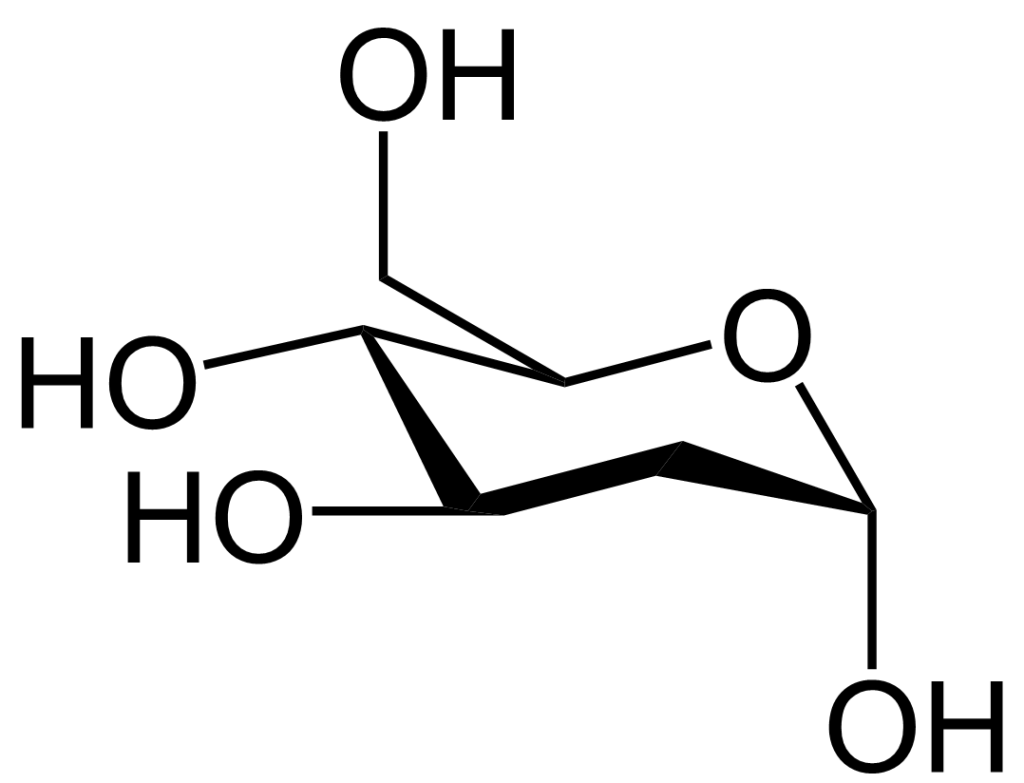
Chemical structure of 2-deoxy-D-glucose (2-DG)

Modulation of pentose phosphate pathway augments the efficacy of 2-deoxy-D-glucose in COVID-19 management

The use of 2-deoxy-D-glucose in COVID-19 came out of long-standing work on how cancer cells and virus-infected cells depend on glycolysis. This chapter asks whether modulating the pentose phosphate pathway alongside it would make the drug more effective. It was written by Simran Chopra, Ashrit Nair, Navneet Sharma, Viney Jain and Rakesh Kumar Sharma. How

Modulation of pentose phosphate pathway augments the efficacy of 2-deoxy-D-glucose in COVID-19 management Read More »

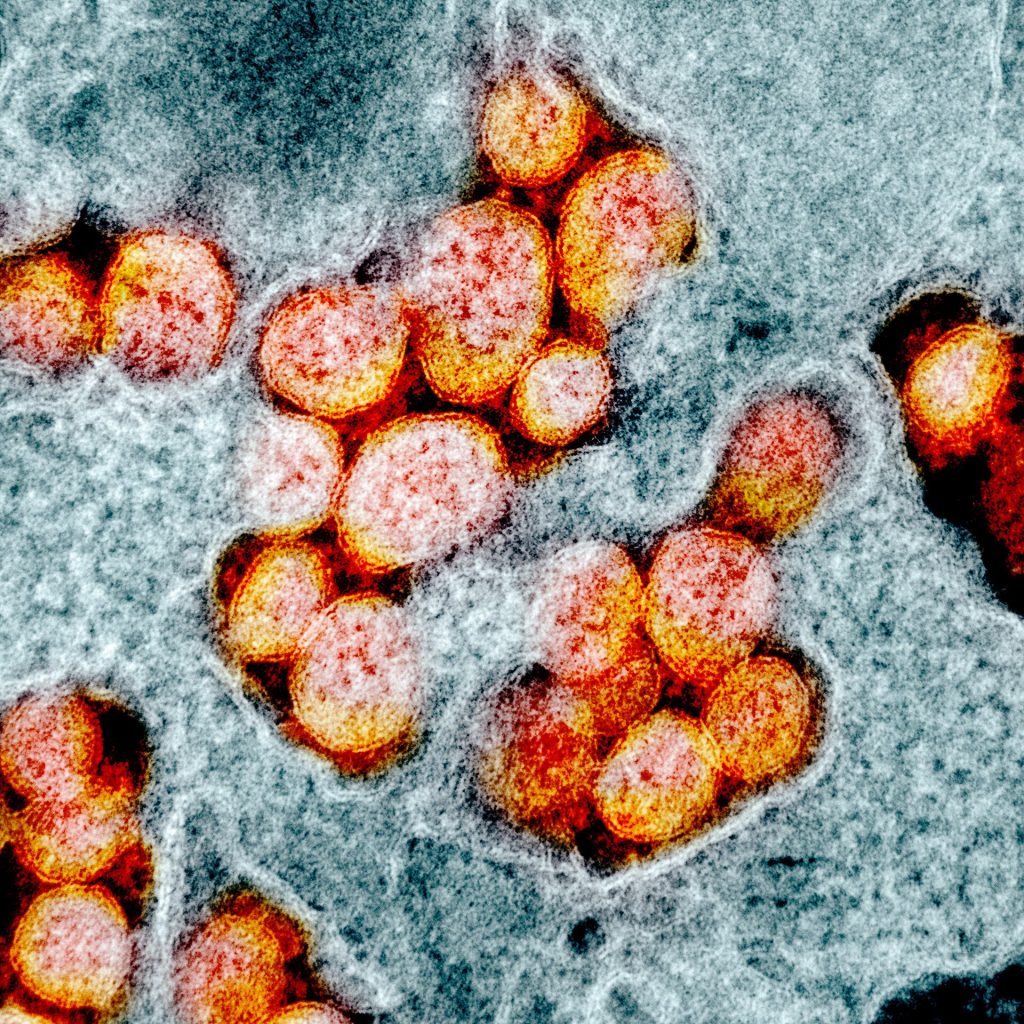
Electron micrograph of SARS-CoV-2 virus particles

Computational screening approaches for investigating potential activity of phytoligands against SARS-CoV-2

Screening phytoligands against SARS-CoV-2 was one of the first routes open to researchers in early 2020, when no specific medicine existed to prevent or treat COVID-19. This study used computational methods to test whether compounds of herbal origin could bind to the virus’s main drug targets. It was posted as a preprint in April 2020

Computational screening approaches for investigating potential activity of phytoligands against SARS-CoV-2 Read More »

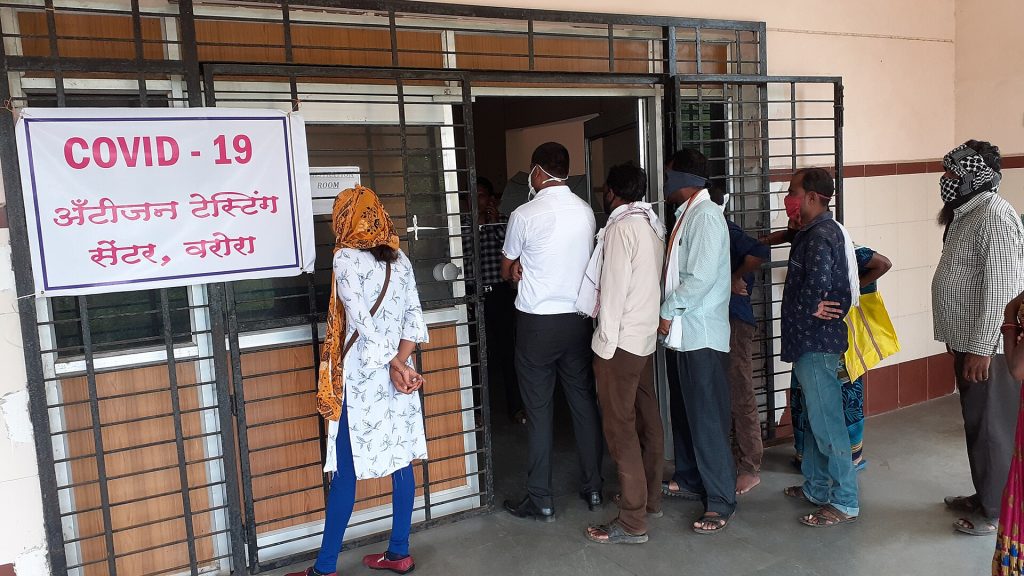
People queuing at a COVID-19 antigen testing centre in Maharashtra, India

Spatio‑temporal epidemiology and associated indicators of COVID‑19 (wave‑I and II) in India

The spatio-temporal epidemiology of COVID-19 in India was never uniform. Cases and deaths varied sharply between states, union territories and districts, and the reasons for that uneven spread were not obvious. This study mapped where the burden fell and which underlying indicators were associated with it. It was published in Scientific Reports in 2024 by

Spatio‑temporal epidemiology and associated indicators of COVID‑19 (wave‑I and II) in India Read More »

Scroll to Top