
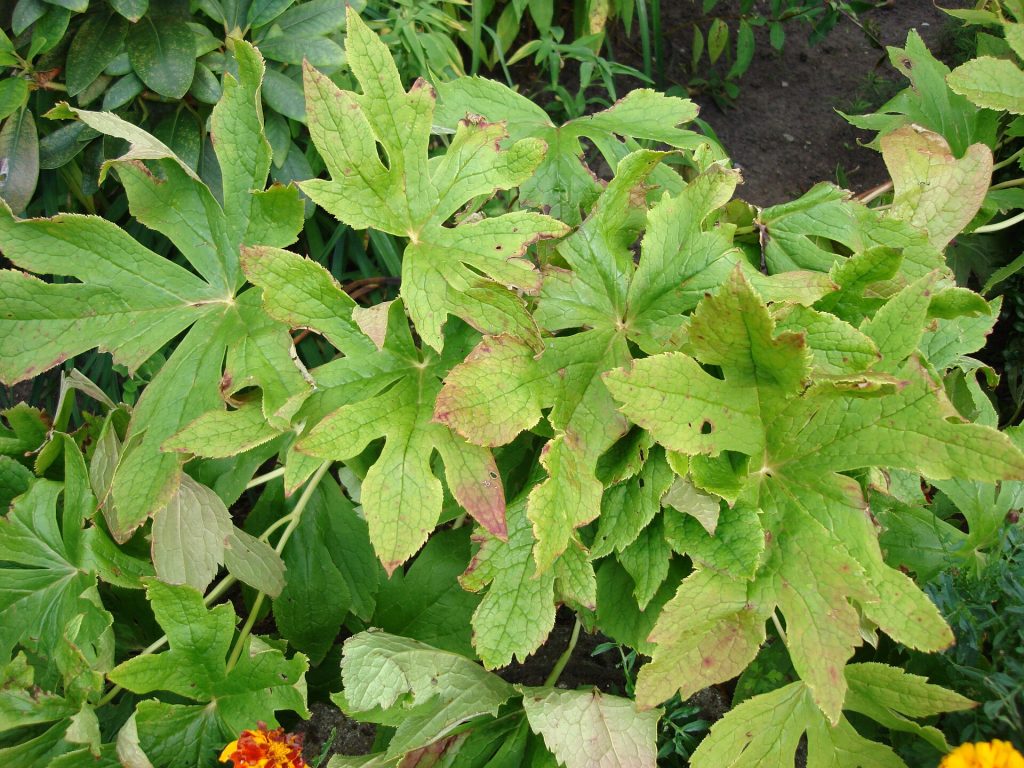
Natural radioprotectors are compounds from plants and algae that may protect healthy tissue against the damage caused by ionising radiation. This study used in silico modelling to identify promising candidates of phyto- and phyco-origin, based on their bioactivity properties.
It was published in the Bulletin of Environment, Pharmacology and Life Sciences in November 2022 by Janifer Raj Xavier, Om Prakash Chauhan, Vani Vijay, Prakash Eknath Patki and Rakesh Kumar Sharma.
The problem natural radioprotectors address
When a living organism is exposed to ionising radiation, oxidative stress can arise if free radical generation exceeds the body’s own scavenging defences. The resulting damage to biomolecules such as lipids, proteins and DNA is what produces the harmful effects on the organism.
Exogenous antioxidants may help counter that stress. The need is clearest in cancer radiotherapy, where healthy tissue has to be safeguarded while the tumour is being irradiated. Synthetic antioxidants have been tried and have not worked well in people: butylated hydroxytoluene and butylated hydroxyanisole both failed because of their toxicity and low therapeutic index. That failure is what pushed the search towards safer natural alternatives.
Why natural radioprotectors are worth screening
Plants have been investigated extensively for activity against radiation damage. Species reported to offer protection include Podophyllum hexandrum, Hippophae rhamnoides, Centella asiatica, Tinospora cordifolia, Mentha piperita, Zingiber officinale, Spirulina platensis and Chlorella vulgaris.
The scope for finding more is large. Only about 5 to 15 per cent of the roughly 250,000 species of higher plants have been studied, and the marine environment has barely been tapped. Since only a small fraction of global biodiversity has been examined for bioactivity, there is room for systematic investigation.
How the screening for natural radioprotectors was done
Screening large numbers of phyto and phyco ingredients can be done systematically through in silico bio-prospection. The method used here combined classical bioprospection with computational approaches. It began with a survey of ethnopharmacological literature, then moved through selection of bioactivity parameters, priority indexing using random and advanced search models, scoring and decision matrix construction using fuzzy set membership analysis, and finally optimisation and validation.
The approach rests on the premise that phytochemical scaffolds, including exogenous antioxidants and other natural compounds with relevant pharmacological activity, can provide leads worth exploring and optimising further.
What the authors conclude
Natural radioprotectors have mechanisms that can modulate radiation injury. Identifying lead molecules that are also safe food ingredients is a cost-effective route to developing them. The shortlisted agents still need to be evaluated through in vitro, in vivo and preclinical studies, which may show several bioactive ingredients acting together.
Beyond that, extraction procedures need standardising so that specific bioactive components can be obtained and identified, followed by toxicological study and efficacy testing at different levels of biological organisation. That sequence is what would turn a shortlist into a usable, safe radioprotective drug.
Related work on this site includes research on plant-based nutraceuticals against antibiotic-resistant Salmonella, and CDPRR’s wider research and knowledge sharing programme. The World Health Organization’s fact sheet on ionising radiation and health effects gives the background on exposure.
(Read the full paper in PDF format)
Pingback: Antibiotic-Resistant Salmonella and Natural Nutraceuticals