
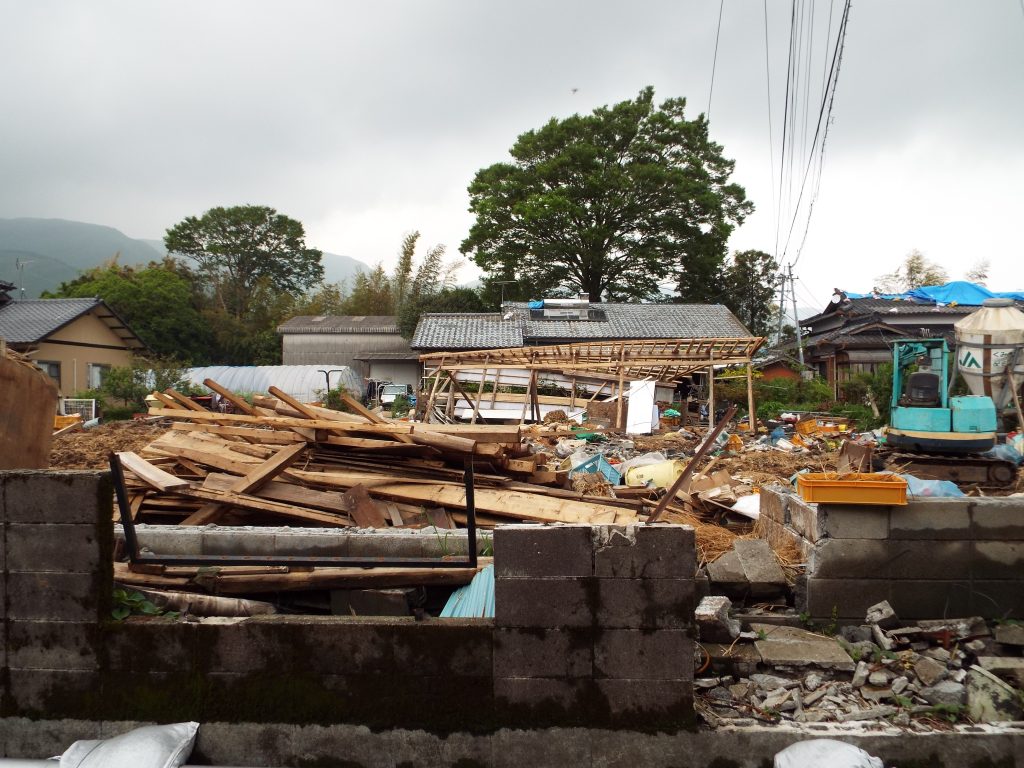
When a disaster passes, the pressure to rebuild begins almost immediately. Families need homes, roads must reopen, schools and health facilities have to function again, businesses need to restart and governments face intense demands to restore normal life. But recovery is not simply a race to replace what was lost. The choices made after a disaster can either reproduce the same vulnerabilities or create safer, fairer and more resilient communities.
This is where two closely related ideas enter the recovery debate: Building Back Better and Building Forward Better. The first is firmly established in international disaster risk reduction policy. The second pushes the discussion further by asking whether recovery should aim to restore an improved version of the past, or use the disruption as an opportunity to create systems better suited to future risks.
What does Building Back Better mean?
The United Nations Office for Disaster Risk Reduction (UNDRR) defines Building Back Better as using recovery, rehabilitation and reconstruction after a disaster to increase resilience by integrating disaster risk reduction into physical infrastructure, societal systems, livelihoods, economies and the environment. The concept is embedded in Priority 4 of the Sendai Framework for Disaster Risk Reduction 2015–2030.
In practical terms, Building Back Better means that a damaged school should not be rebuilt with the same weaknesses that made it unsafe. A washed-out bridge should be redesigned for the hazard conditions it is likely to face. Housing reconstruction should incorporate safer construction practices. Restored water, power and transport networks should be more robust, while recovery programmes should reduce rather than deepen social and economic vulnerability.
The approach is important because disasters expose weaknesses that may have existed long before the event: unsafe construction, poor land-use planning, inadequate drainage, fragile livelihoods, weak public services, environmental degradation or limited access to insurance and finance. Rebuilding the same systems in the same way can recreate the conditions for the next disaster.
Why Building Back Better changed recovery thinking
Traditional recovery was often judged by how quickly damaged assets could be restored. Building Back Better changed that emphasis. Speed still matters, but resilience matters too. The objective is not only to repair damage but to reduce future risk while recovery resources, political attention and public support are available.
This can include stronger building standards, risk-sensitive land-use planning, safer locations for critical facilities, protection of natural buffers, diversified livelihoods, improved early warning systems and better access to services for vulnerable groups. It also requires governments to prepare for recovery before a disaster occurs. UNDRR’s work on recovery readiness stresses governance, institutional capacity, predictable finance, community leadership, resilient housing and infrastructure, livelihood recovery and monitoring.
There is also an economic case for resilient reconstruction. Avoiding repeated damage can reduce the long-term social and financial cost of disasters.
Where does Building Forward Better go further?
Building Forward Better is not a replacement for Building Back Better. It is better understood as an extension of the same logic. The phrase recognises that the conditions that existed before a disaster may no longer be a suitable reference point for recovery.
Climate change is altering hazard patterns. Cities are expanding. Populations are moving. Technology is changing how essential services are delivered. Water stress, heat, environmental degradation and infrastructure interdependence are creating risks that may not have been fully considered when older settlements and systems were designed. In such circumstances, restoring an improved version of the past may still leave communities poorly prepared for the future.
Building Forward Better therefore asks a broader question: what should the community, city or system become after recovery? It may require safer infrastructure corridors, changes in land use, voluntary relocation from repeatedly exposed locations or more resilient and decentralised essential services.
Recovery is about people, not only infrastructure
One of the biggest risks in post-disaster reconstruction is treating recovery as an engineering exercise. Physical reconstruction is essential, but a community has not recovered merely because buildings have been rebuilt.
People may have lost jobs, livestock, crops, savings and access to markets. Children may have missed school, while health needs can continue after emergency operations end. Women, older people, persons with disabilities, tenants, informal workers and low-income households can face very different barriers to recovery.
A forward-looking recovery process must therefore connect infrastructure reconstruction with social protection, livelihood restoration, public health, education, local economic recovery and access to finance. It should also give affected communities a meaningful role in deciding what is rebuilt, where it is rebuilt and what changes are necessary.
The danger of rebuilding risk
Post-disaster urgency creates difficult trade-offs. Families need to return home quickly, but rushed reconstruction can lock in risk for decades. Homes may be rebuilt in floodplains, roads restored without considering changed drainage, and finance may fail to reach poorer households. Building forward better requires these risks to be identified early. Rapid recovery should not mean unplanned recovery.
What Building Forward Better should look like in practice
A credible approach begins with a post-disaster needs assessment that goes beyond counting damaged assets. It should examine why the losses occurred, which groups were most affected and how future hazard conditions may differ. Reconstruction plans should then link recovery with disaster risk reduction, climate adaptation and long-term development priorities.
Critical infrastructure should be designed for continuity of service, not merely physical survival. Housing programmes should combine structural safety with affordability, local building practices and access to livelihoods. Land-use decisions should be informed by multi-hazard risk maps. Ecosystem restoration should be considered alongside engineered protection where appropriate. Recovery finance should reach vulnerable households and small businesses quickly, while accountability systems should make spending transparent.
Most importantly, recovery plans should be flexible. Conditions change during a long reconstruction process. Monitoring, community feedback and updated risk information should be able to influence priorities rather than leaving authorities locked into a plan prepared immediately after the disaster.
India’s recovery challenge
For India, the distinction between rebuilding and building forward is particularly relevant. The country faces floods, cyclones, earthquakes, landslides, heatwaves, droughts, urban flooding and industrial hazards across very different social and geographical settings. Rapid urbanisation and infrastructure expansion are also changing patterns of exposure.
Post-disaster recovery therefore needs to be closely connected with district planning, urban development, housing, infrastructure investment, environmental management and local governance. Geospatial technologies can help by identifying hazard exposure, damaged assets, vulnerable populations and safer reconstruction options. At the same time, technical solutions must be matched by local knowledge and community participation.
The next step is to make recovery readiness routine: pre-disaster recovery plans, clear responsibilities, financing arrangements, reconstruction standards, data systems and trained local teams should be in place before a major event occurs.
So, should we build back better or build forward better?
The two ideas should not be treated as competing slogans. Building Back Better remains a strong and internationally recognised foundation for resilient recovery. It prevents reconstruction from simply recreating the vulnerabilities that caused heavy losses in the first place.
Building Forward Better adds an important future-facing test. It asks whether the rebuilt community will be ready not only for the hazards of yesterday, but also for the changing climate, economy, technology and social conditions of tomorrow.
The most effective post-disaster recovery combines both. It rebuilds what people need urgently, corrects known weaknesses and uses future risk information to guide long-term decisions. Recovery should restore lives and services, but it should also leave people safer than they were before the disaster. That is the point at which reconstruction becomes resilience.
Sources
- United Nations Office for Disaster Risk Reduction (UNDRR), Sendai Framework for Disaster Risk Reduction 2015–2030 and Build Back Better terminology.
- UNDRR, Words into Action guidelines on Building Back Better in recovery, rehabilitation and reconstruction.
- UNDRR, Priority Actions to Enhance Readiness for Resilient Recovery.
- World Bank/GFDRR, work on stronger, faster and more inclusive post-disaster reconstruction.